
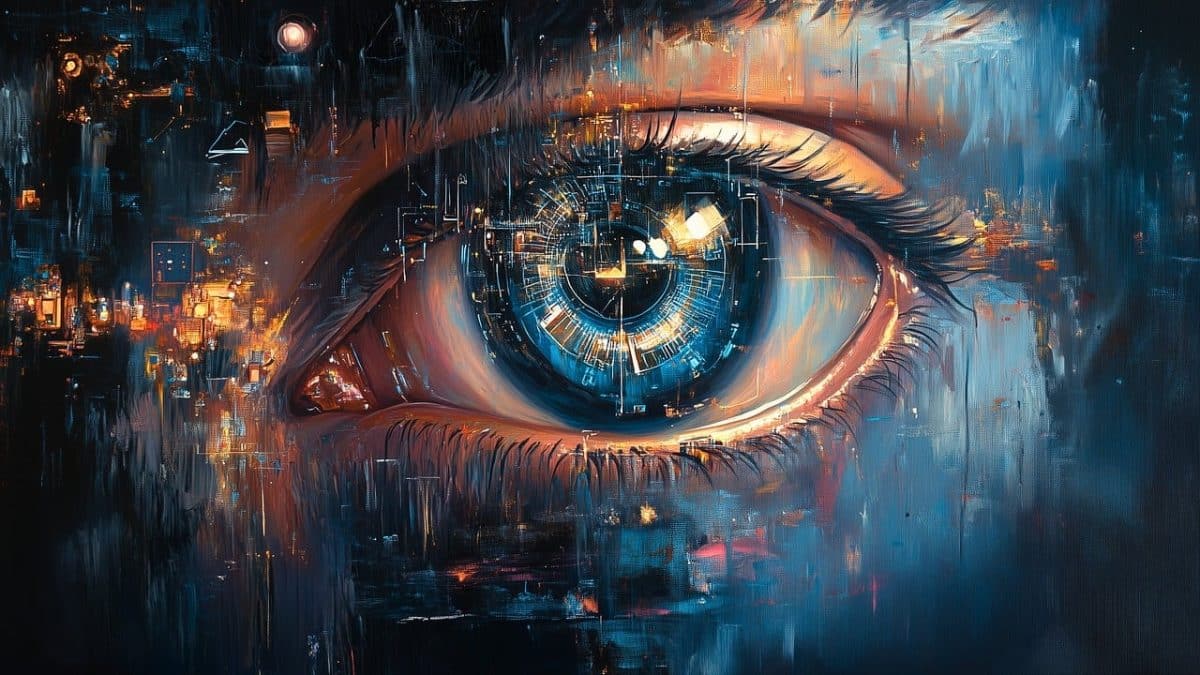
The Rise of AI Artists: Redefining Creativity
In recent years, artificial intelligence has made significant strides in various fields, and the world of art is no exception. AI artists are emerging as a new form of creators, challenging traditional notions of creativity and authorship. These digital entities use algorithms and machine learning to produce artworks that can be both strikingly original and deeply thought-provoking.
What is an AI Artist?
An AI artist refers to a computer program or system capable of generating art autonomously. These systems are trained on vast datasets containing thousands or even millions of images, allowing them to learn patterns, styles, and techniques from existing works. By analyzing this data, AI can generate new pieces that mimic human-created art or explore entirely novel styles.
How Do AI Artists Work?
AI artists typically rely on neural networks, particularly Generative Adversarial Networks (GANs), to create their works. A GAN consists of two parts: a generator that creates images and a discriminator that evaluates them. The generator produces an image based on input data, while the discriminator assesses its quality by comparing it against real-world examples. Over time, this process refines the generated artwork until it achieves a desired level of refinement.
Impact on the Art World
The emergence of AI artists has sparked both excitement and controversy within the art community. On one hand, these technologies offer new tools for human artists to explore creative possibilities beyond their imagination. On the other hand, questions arise about the nature of creativity itself—can a machine truly be creative? And who owns the rights to an artwork created by an algorithm?
Notable Examples
One notable example is “Edmond de Belamy,” an AI-generated portrait auctioned at Christie’s in 2018 for $432,500. Created by Paris-based collective Obvious using GAN technology, this piece highlighted the potential for AI in fine art markets.
The Future of AI in Art
As technology continues to evolve, so too will the capabilities of AI artists. Some experts predict that collaboration between humans and machines could lead to entirely new genres and movements within contemporary art. Additionally, as society grapples with ethical considerations surrounding these creations’ ownership rights or cultural impact—AI’s role may redefine how we perceive artistry itself.
In conclusion, while artificial intelligence challenges conventional definitions surrounding creativity—it also offers exciting opportunities for innovation within artistic expression worldwide.
8 Essential Tips for Excelling as an AI Artist
- Stay updated on the latest AI technologies and tools.
- Experiment with different AI art techniques and algorithms.
- Combine traditional art skills with AI to create unique pieces.
- Join online AI art communities to share knowledge and get feedback.
- Consider ethical implications of using AI in your artwork.
- Explore generative adversarial networks (GANs) for creating AI art.
- Keep practicing and refining your skills to improve as an AI artist.
- Collaborate with other artists or technologists to push the boundaries of AI art.
Stay updated on the latest AI technologies and tools.
Staying updated on the latest AI technologies and tools is crucial for anyone interested in the evolving field of AI art. As artificial intelligence continues to advance, new software, algorithms, and platforms are constantly being developed, each offering unique capabilities and opportunities for creativity. By keeping abreast of these innovations, artists can leverage cutting-edge tools to enhance their work, experiment with novel techniques, and push the boundaries of traditional art forms. Additionally, understanding the latest developments in AI technology can provide valuable insights into emerging trends and help artists remain competitive in a rapidly changing landscape. Whether through online courses, webinars, or industry publications, staying informed about the latest advancements ensures that artists can fully harness the potential of AI in their creative endeavors.
Experiment with different AI art techniques and algorithms.
Exploring various AI art techniques and algorithms can significantly enhance creativity and innovation in digital artwork. By experimenting with different methods, such as neural style transfer, generative adversarial networks (GANs), or deep learning models, artists can discover unique styles and effects that push the boundaries of traditional art forms. Each algorithm offers distinct possibilities; for instance, neural style transfer allows artists to apply the aesthetic of one image onto another, while GANs can generate entirely new images from scratch. This experimentation not only broadens an artist’s toolkit but also fosters a deeper understanding of how technology can be harnessed to create compelling visual narratives. Embracing diverse AI techniques encourages continuous learning and adaptation, ultimately leading to more dynamic and innovative artistic expressions.
Combine traditional art skills with AI to create unique pieces.
Combining traditional art skills with AI technology offers a groundbreaking approach to creating unique and innovative pieces. By leveraging the strengths of both human creativity and machine learning, artists can push the boundaries of artistic expression. Traditional techniques such as painting, drawing, or sculpting provide a rich foundation of texture, form, and color that can be enhanced by AI’s ability to process vast amounts of data and generate novel patterns. This synergy allows artists to experiment with new styles and compositions that might be difficult or impossible to achieve through conventional methods alone. The result is a fusion of the tactile and the digital, producing artworks that are not only visually striking but also conceptually intriguing, reflecting the harmonious blend of human intuition and technological advancement.
Join online AI art communities to share knowledge and get feedback.
Joining online AI art communities can be an invaluable resource for anyone interested in exploring the intersection of technology and creativity. These communities offer a platform where artists, developers, and enthusiasts can share their experiences, techniques, and insights about creating art with artificial intelligence. By participating in discussions and forums, individuals can gain access to a wealth of knowledge from experts and peers alike, helping them refine their skills and stay updated on the latest advancements in AI art. Additionally, these communities provide a supportive environment for receiving constructive feedback on one’s work, fostering growth and innovation. Engaging with like-minded individuals not only enhances one’s understanding but also inspires new ideas and collaborations that push the boundaries of what AI-generated art can achieve.
Consider ethical implications of using AI in your artwork.
When integrating AI into artwork, it’s crucial to consider the ethical implications that accompany this technological advancement. Artists should reflect on issues such as authorship, originality, and intellectual property rights. Since AI systems often draw from vast datasets of existing works to generate new pieces, questions arise about the ownership and credit due to original creators. Additionally, there’s a need to ensure transparency about the AI’s role in the creative process, so audiences can understand and appreciate the blend of human and machine contributions. Ethical considerations also extend to potential biases in AI algorithms, which could inadvertently perpetuate stereotypes or exclude certain cultural perspectives. By thoughtfully addressing these concerns, artists can responsibly harness AI’s capabilities while respecting the broader artistic community and society at large.
Explore generative adversarial networks (GANs) for creating AI art.
Generative Adversarial Networks (GANs) have become a powerful tool for creating AI art, offering artists and technologists a fascinating way to explore creativity through algorithms. GANs consist of two neural networks—the generator and the discriminator—that work in tandem to produce strikingly original pieces. The generator creates images from random noise, while the discriminator evaluates them against real-world examples, providing feedback that helps refine the output over time. This process allows GANs to generate artworks that can mimic traditional styles or venture into entirely new aesthetic territories. By experimenting with GANs, artists can push the boundaries of conventional art-making, discovering novel forms and expressions that challenge our understanding of creativity itself.
Keep practicing and refining your skills to improve as an AI artist.
Becoming a successful AI artist requires dedication and continuous improvement, much like any other creative endeavor. Regular practice is essential to hone your skills and deepen your understanding of the tools and techniques involved in AI art creation. By consistently experimenting with different algorithms, datasets, and artistic styles, you can discover new possibilities and refine your unique artistic voice. Additionally, staying updated with the latest advancements in AI technology will enable you to incorporate cutting-edge methods into your work. Engaging with the broader community of AI artists can also provide valuable feedback and inspiration, helping you to grow and evolve as an artist over time.
Collaborate with other artists or technologists to push the boundaries of AI art.
Collaborating with other artists or technologists can significantly enhance the possibilities of AI art by combining diverse expertise and perspectives. When artists team up with technologists, they can explore innovative techniques and tools that might otherwise remain untapped. This collaboration allows for the fusion of creative vision and technical prowess, pushing the boundaries of what AI-generated art can achieve. By working together, artists can experiment with new algorithms, integrate different media, and develop unique styles that challenge traditional art forms. Additionally, such partnerships foster a dynamic exchange of ideas, encouraging continuous learning and adaptation in an ever-evolving field. Ultimately, these collaborations not only expand the horizons of AI art but also enrich the broader artistic community by introducing fresh concepts and methodologies.