
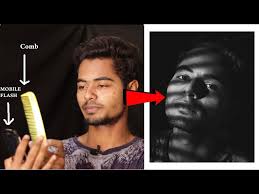
The Art of Self-Portrait Photography
Self-portrait photography, also known as self-portraiture, is a unique and personal form of expression that allows photographers to capture themselves in a creative and introspective way. Unlike traditional portraits taken by others, self-portraits give photographers complete control over how they present themselves to the world.
Self-portrait photography has a long history dating back to the early days of photography when artists like Robert Cornelius and Hippolyte Bayard experimented with capturing their own images. Today, self-portraiture has become more popular than ever thanks to the widespread use of smartphones and social media platforms that make it easy for anyone to become their own subject.
One of the key benefits of self-portrait photography is that it allows photographers to explore their own identity, emotions, and experiences through visual storytelling. By turning the camera on themselves, photographers can convey personal narratives, moods, and themes that are meaningful to them.
To create compelling self-portraits, photographers can experiment with different techniques such as lighting, composition, props, and editing styles. They can choose to portray themselves realistically or artistically, using various poses and expressions to convey their message.
Self-portrait photography also provides a sense of empowerment and self-discovery as photographers learn more about themselves through the process of capturing their own images. It can be a therapeutic practice that helps individuals express their inner thoughts and feelings in a visual form.
Whether you’re an experienced photographer or just starting out, exploring self-portrait photography can be a rewarding journey of self-expression and creativity. So grab your camera or smartphone, find an interesting backdrop or setting, and start capturing your unique perspective through the art of self-portraiture.
Mastering Self-Portrait Photography: Top FAQs Answered
- How to take a good photo for a self-portrait?
- What is the 50 50 rule in photography?
- How do photographers take self portraits?
- What is the difference between selfie and self-portrait photography?
- What tools do you need for self-portrait photography?
- How to pose for self-portraits?
How to take a good photo for a self-portrait?
When it comes to taking a good photo for a self-portrait, there are several key factors to consider. First and foremost, lighting plays a crucial role in capturing a flattering and well-balanced self-portrait. Natural light is often the best option, so try positioning yourself near a window or outdoors during the golden hours of sunrise or sunset for soft, flattering light. Additionally, pay attention to your composition by framing yourself in an interesting way and considering the background to enhance the overall aesthetic of the image. Experiment with different poses, expressions, and angles to find what works best for showcasing your personality and style. Lastly, don’t be afraid to edit your photo afterward to enhance colors, contrast, and overall visual appeal. With practice and patience, you can master the art of taking a good self-portrait that truly reflects your unique essence.
What is the 50 50 rule in photography?
In the realm of photography, the 50-50 rule refers to a composition technique where the subject is placed directly in the center of the frame, dividing the image into two equal halves horizontally and vertically. This rule can be applied in various types of photography, including self-portrait photography, to create a balanced and symmetrical composition that draws attention to the subject at the center of the frame. While the 50-50 rule is a simple guideline, it can be a powerful tool for emphasizing symmetry and creating a sense of harmony in photographic compositions.
How do photographers take self portraits?
Photographers take self-portraits in various ways, depending on their equipment and desired outcome. One common method is to use a camera with a timer or remote control to capture the image while the photographer positions themselves in the frame. Another technique involves setting up a tripod to hold the camera steady and using manual focus or autofocus to ensure clarity. Some photographers also utilize mirrors or reflective surfaces to compose their self-portraits creatively. Additionally, advancements in technology have made it easier for photographers to take self-portraits using smartphones or other mobile devices with front-facing cameras and selfie modes. Experimenting with different techniques and tools allows photographers to capture unique and compelling self-portraits that reflect their style and vision.
What is the difference between selfie and self-portrait photography?
When discussing self-portrait photography, a common question that arises is the distinction between a selfie and a self-portrait. While both involve capturing one’s own image, the key difference lies in the intention and artistic approach. A selfie is typically taken with a smartphone or camera at arm’s length, often in casual settings, and shared on social media for immediate communication or documentation. On the other hand, self-portrait photography involves a more deliberate and creative process where the photographer carefully composes the image, considers lighting and framing, and aims to convey deeper emotions or messages through the visual medium. Self-portraits are often seen as a form of artistic expression and introspection, while selfies are more associated with everyday snapshots for personal or social purposes.
What tools do you need for self-portrait photography?
When delving into the world of self-portrait photography, having the right tools is essential to capture compelling and visually engaging images. Some key tools you may need for self-portrait photography include a camera with a self-timer or remote shutter release to enable you to take photos without assistance. A tripod is also crucial for stabilizing your camera and achieving steady shots. Good lighting equipment, such as natural light sources or artificial lighting setups, can enhance the quality of your self-portraits. Additionally, props, backdrops, and editing software can further elevate your creative vision and help you bring your artistic ideas to life in your self-portrait photography endeavors.
How to pose for self-portraits?
When it comes to posing for self-portraits in photography, there are several tips and techniques to consider in order to capture a flattering and engaging image. Firstly, experiment with different angles by tilting your head slightly or changing the position of your body to create dynamic and visually appealing compositions. Secondly, pay attention to your facial expressions and body language to convey the mood or message you want to communicate through the self-portrait. Additionally, try incorporating props or accessories that reflect your personality or interests to add depth and character to the image. Lastly, don’t be afraid to take multiple shots and review them to see what poses work best for you – practice makes perfect when it comes to mastering the art of posing for self-portraits.