
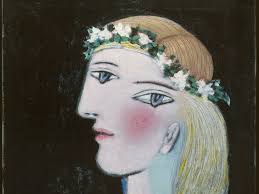
The Timeless Legacy of Picasso Paintings
Pablo Picasso, one of the most influential artists of the 20th century, left behind a vast and diverse body of work that continues to captivate art enthusiasts worldwide. His revolutionary approach to art, characterized by bold experimentation and innovation, has solidified his status as a visionary whose impact on the art world remains unparalleled.
Throughout his prolific career, Picasso explored a wide range of styles and techniques, constantly pushing the boundaries of traditional artistic norms. From his early Blue and Rose periods to his groundbreaking Cubist works and later Surrealist creations, Picasso’s paintings reflect a profound artistic evolution marked by creativity, passion, and a relentless pursuit of artistic excellence.
One of Picasso’s most iconic works is “Les Demoiselles d’Avignon,” a seminal Cubist masterpiece that revolutionized the art world with its fragmented forms and distorted figures. This painting, created in 1907, is considered a turning point in modern art history and a testament to Picasso’s innovative spirit.
Another famous series by Picasso is “Guernica,” painted in response to the bombing of the Spanish town during the Spanish Civil War. This powerful anti-war painting conveys the horrors of conflict through its stark imagery and emotive symbolism, cementing Picasso’s reputation as a socially conscious artist unafraid to address pressing political issues through his work.
Picasso’s ability to seamlessly transition between different styles and themes is evident in his diverse body of work, which includes portraits, still lifes, landscapes, and abstract compositions. His use of vibrant colors, dynamic shapes, and expressive brushwork imbues his paintings with a sense of energy and emotion that transcends time and resonates with viewers on a profound level.
Today, Picasso’s paintings are revered for their artistic merit, historical significance, and enduring relevance in contemporary art discourse. Museums around the world proudly display his works, inviting audiences to experience firsthand the genius of an artist whose legacy continues to inspire generations of artists and art lovers alike.
As we reflect on the extraordinary contributions of Pablo Picasso to the world of art, we are reminded of the timeless beauty and innovation inherent in his paintings. His bold vision and unwavering dedication to artistic exploration serve as a beacon for aspiring artists everywhere, encouraging them to embrace creativity, challenge conventions, and push the boundaries of what is possible in the realm of visual expression.
Exploring Picasso: Value, Fame, and Fascinating Facts About His Iconic Paintings
- What are Picasso paintings worth?
- Why is Picasso a famous painter?
- How many Picasso paintings were on the Titanic?
- What are 3 famous artworks by Pablo Picasso?
- What are 10 facts about Picasso?
- Did Picasso paint the Mona Lisa?
- What is the #1 most expensive painting in the world?
- What is Picasso’s most famous piece?
- Why are Picasso paintings famous?
What are Picasso paintings worth?
The value of Picasso paintings can vary significantly depending on various factors such as the specific artwork, its provenance, condition, size, medium, and current market trends. Picasso’s works are highly sought after by collectors and art enthusiasts worldwide, with some pieces fetching millions of dollars at auctions. Masterpieces like “Les Femmes d’Alger” and “Garçon à la pipe” have set record-breaking prices in the art market. The intrinsic artistic merit, historical significance, and rarity of a Picasso painting all contribute to its monetary value. It is advisable to consult art experts or appraisers for an accurate assessment of the worth of a Picasso painting to ensure fair valuation and authenticity verification.
Why is Picasso a famous painter?
Pablo Picasso is renowned as a famous painter due to his unparalleled artistic vision, innovative approach to art, and lasting impact on the art world. Picasso’s ability to constantly reinvent himself and push the boundaries of traditional artistic norms set him apart as a revolutionary figure in 20th-century art history. His diverse body of work, spanning various styles such as Cubism, Surrealism, and Classicism, showcases his exceptional talent, creativity, and mastery of the medium. Through his groundbreaking paintings, Picasso challenged conventions, redefined artistic expression, and inspired generations of artists to think outside the box and embrace new possibilities in visual storytelling. His enduring legacy as a visionary artist continues to captivate audiences worldwide and solidify his status as a true artistic genius.
How many Picasso paintings were on the Titanic?
The question of how many Picasso paintings were on the Titanic is a common misconception. There were no Picasso paintings on the Titanic as Pablo Picasso’s career and fame did not coincide with the time period when the Titanic set sail in 1912. While there were certainly valuable artworks and possessions aboard the ill-fated ship, none of them were attributed to Picasso, whose artistic contributions flourished in the early to mid-20th century. This question highlights the importance of fact-checking and historical accuracy when discussing renowned artists and their works in relation to significant events such as the Titanic tragedy.
What are 3 famous artworks by Pablo Picasso?
Pablo Picasso, a prolific and influential artist of the 20th century, is renowned for his vast body of work that includes numerous iconic pieces. Three famous artworks by Picasso that have left an indelible mark on art history are “Les Demoiselles d’Avignon,” a groundbreaking Cubist masterpiece that revolutionized modern art; “Guernica,” a powerful anti-war painting that serves as a poignant commentary on the horrors of conflict; and “The Weeping Woman,” a striking portrait that embodies Picasso’s unique approach to capturing emotion and expression through bold colors and abstract forms. These three artworks exemplify Picasso’s unparalleled creativity, innovation, and lasting impact on the world of art.
What are 10 facts about Picasso?
Pablo Picasso, the legendary Spanish artist, is a figure shrouded in fascination and intrigue. Here are 10 intriguing facts about Picasso: 1. Picasso was a child prodigy, completing his first painting at the age of 9. 2. He co-founded the Cubist movement, revolutionizing modern art with his innovative approach to perspective and form. 3. Picasso created over 50,000 artworks during his lifetime, including paintings, sculptures, ceramics, and prints. 4. He had a tumultuous personal life, with multiple marriages and numerous love affairs influencing his art. 5. Picasso’s iconic work “Guernica” is a powerful anti-war statement inspired by the bombing of a Spanish town during the Spanish Civil War. 6. He was a master of multiple art styles, from Realism to Surrealism, constantly pushing artistic boundaries throughout his career. 7. Picasso’s full name is Pablo Diego José Francisco de Paula Juan Nepomuceno María de los Remedios Cipriano de la Santísima Trinidad Martyr Patricio Clito Ruíz y Picasso – quite a mouthful! 8. He was an accomplished sculptor in addition to being a painter, creating stunning three-dimensional works that showcased his artistic versatility. 9. Picasso’s Blue Period (1901-1904) and Rose Period (1904-1906) are characterized by their somber and romantic themes respectively, reflecting different phases of his life and emotional states. 10. His legacy continues to inspire artists and art enthusiasts worldwide, cementing his status as one of the greatest artists of all time whose influence transcends generations.
Did Picasso paint the Mona Lisa?
One frequently asked question regarding Picasso’s paintings is whether he painted the Mona Lisa. It is a common misconception that Picasso was the artist behind the iconic masterpiece, but in reality, the Mona Lisa was painted by Leonardo da Vinci during the Renaissance period. While Picasso was known for his innovative and groundbreaking artistic style in the 20th century, he did not create the Mona Lisa. The confusion may arise from Picasso’s reputation as a legendary artist, leading some to mistakenly attribute famous works of art to him.
What is the #1 most expensive painting in the world?
One frequently asked question regarding Picasso paintings is, “What is the #1 most expensive painting in the world?” The answer to this question is “Salvator Mundi” by Leonardo da Vinci, which holds the record for being the most expensive painting ever sold at auction. This masterpiece, depicting Jesus Christ, was sold for a staggering $450.3 million in 2017, cementing its status as a priceless work of art that transcends monetary value. While Picasso’s paintings have also commanded significant prices at auctions and private sales, “Salvator Mundi” remains unrivaled in terms of its astronomical price tag and historical significance in the art world.
What is Picasso’s most famous piece?
One of Pablo Picasso’s most famous and iconic pieces is “Les Demoiselles d’Avignon,” a groundbreaking Cubist masterpiece that revolutionized the art world. Created in 1907, this painting is celebrated for its fragmented forms and distorted figures, marking a pivotal moment in modern art history. Depicting five nude female figures in a boldly innovative style, “Les Demoiselles d’Avignon” showcases Picasso’s visionary approach to art and his willingness to challenge traditional artistic conventions. This seminal work continues to captivate audiences with its dynamic composition, vibrant colors, and profound impact on the evolution of 20th-century art.
Why are Picasso paintings famous?
Picasso paintings are famous for their revolutionary approach to art, bold experimentation, and innovative techniques that pushed the boundaries of traditional artistic norms. Pablo Picasso’s ability to seamlessly transition between different styles and themes, from his early Blue and Rose periods to his groundbreaking Cubist works and later Surrealist creations, showcases his unparalleled creativity and artistic vision. His iconic works like “Les Demoiselles d’Avignon” and “Guernica” have solidified his status as a visionary artist whose paintings convey profound emotions, social commentary, and a timeless quality that continues to captivate audiences worldwide. Picasso’s enduring legacy lies in his ability to challenge conventions, inspire generations of artists, and redefine the possibilities of visual expression through his unparalleled body of work.