
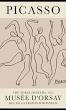
The Beauty of Line Art
Line art is a form of visual art that uses simple lines to create intricate and captivating images. It is a timeless and versatile artistic technique that has been used for centuries in various forms, from ancient cave paintings to modern digital illustrations.
One of the defining characteristics of line art is its simplicity. By using only lines without any shading or color, artists can focus on the purity and elegance of the form. This minimalist approach allows for a direct and powerful expression that can evoke emotions and convey complex ideas with just a few strokes.
Line art can take many forms, from intricate geometric patterns to flowing organic shapes. Artists use different types of lines – thick, thin, curved, straight – to create depth, movement, and texture in their compositions. The precision and control required to create compelling line art make it a challenging yet rewarding artistic practice.
One of the advantages of line art is its versatility. It can be used in various mediums, such as pen and ink, digital drawing software, or even sculpture. Line art can be abstract or representational, playful or serious, traditional or avant-garde – the possibilities are endless.
Whether used in illustrations, comics, tattoos, logos, or decorative designs, line art has a timeless appeal that continues to captivate audiences around the world. Its ability to communicate complex ideas with simplicity and elegance makes it a powerful tool for artists seeking to make a bold statement or evoke a strong emotional response.
In conclusion, line art is not just about drawing lines; it is about capturing the essence of an idea or emotion with clarity and precision. Its beauty lies in its simplicity and complexity intertwined – a delicate dance of form and expression that continues to inspire artists and viewers alike.
8 Reasons Line Art Captivates Artists: Versatility, Precision, and Timeless Appeal
- Line art is versatile and can be used in various artistic mediums.
- It allows artists to focus on form, shape, and composition without the distraction of color or shading.
- Line art is a great way to practice precision and control in drawing.
- It can be easily scaled up or down without losing quality or detail.
- Line art is timeless and has a classic aesthetic that appeals to many people.
- Creating line art can be a meditative and relaxing artistic practice.
- It is suitable for both beginners and experienced artists looking to hone their skills.
- Line art can convey complex ideas or emotions with simplicity and elegance.
Challenges of Line Art: Navigating Depth, Skill, and Perception
- Limited in conveying depth and realism due to the absence of shading and color.
- Requires a high level of skill and precision to create intricate and detailed compositions.
- May be perceived as simplistic or lacking complexity compared to other art forms that incorporate color, texture, and shading.
Line art is versatile and can be used in various artistic mediums.
Line art’s versatility shines through its ability to transcend different artistic mediums, making it a valuable tool for creative expression. Whether rendered in pen and ink, digital drawing software, or even sculptural forms, line art adapts effortlessly to each medium, showcasing its adaptability and enduring appeal. Artists can explore a myriad of possibilities and experiment with diverse techniques while harnessing the power of lines to convey depth, movement, and emotion across various artistic platforms. This flexibility allows artists to push boundaries, innovate, and create captivating visual experiences that resonate with audiences in unique and compelling ways.
It allows artists to focus on form, shape, and composition without the distraction of color or shading.
Line art offers artists a unique advantage by allowing them to concentrate solely on form, shape, and composition without the interference of color or shading. By stripping away extraneous elements, artists can delve deeply into the fundamental aspects of their creations, emphasizing the purity of lines to convey meaning and emotion. This minimalist approach not only sharpens the artist’s skills in capturing intricate details and nuances but also enables a more profound exploration of visual storytelling through the deliberate arrangement of shapes and lines.
Line art is a great way to practice precision and control in drawing.
Line art offers a valuable opportunity for artists to hone their precision and control in drawing. By focusing solely on the use of lines to create intricate compositions, artists are challenged to carefully plan and execute each stroke with accuracy and intention. This practice not only improves hand-eye coordination but also teaches artists the importance of deliberate mark-making and attention to detail. Through mastering the art of line work, artists can develop a greater sense of control over their medium and enhance their ability to convey complex ideas with clarity and finesse.
It can be easily scaled up or down without losing quality or detail.
One of the key advantages of line art is its scalability, as it can be resized without sacrificing quality or detail. Whether magnified for a larger display or reduced for a smaller application, line art maintains its crispness and intricacy, allowing artists to adapt their creations to various sizes without compromising the integrity of the design. This flexibility in scaling makes line art a practical choice for projects that require versatility and precision in presentation, ensuring that the artwork retains its impact and clarity across different dimensions.
Line art is timeless and has a classic aesthetic that appeals to many people.
Line art’s timeless quality and classic aesthetic appeal have made it a favorite among artists and art enthusiasts alike. Its simplicity and elegance transcend trends and fads, creating a lasting impression that resonates with people of all ages and backgrounds. The clean lines and minimalistic approach of line art evoke a sense of sophistication and refinement, drawing in viewers with its understated beauty. Its ability to stand the test of time while maintaining a sense of relevance makes line art a beloved artistic style that continues to captivate many individuals seeking a touch of timeless charm in their visual experiences.
Creating line art can be a meditative and relaxing artistic practice.
Engaging in the creation of line art can serve as a meditative and calming artistic practice for individuals. The process of focusing on each stroke and line, carefully planning the composition, and immersing oneself in the flow of creating intricate patterns or shapes can be a therapeutic experience. As artists lose themselves in the repetitive yet deliberate act of drawing lines, they can enter a state of mindfulness and relaxation, allowing stress to melt away and creativity to flourish. This meditative quality of line art not only enhances artistic expression but also promotes mental well-being and inner peace through the act of creation.
It is suitable for both beginners and experienced artists looking to hone their skills.
Line art offers a significant advantage in that it is suitable for both beginners and experienced artists looking to hone their skills. For beginners, the simplicity of using lines allows them to focus on mastering fundamental techniques and developing a strong foundation in art. On the other hand, experienced artists can use line art as a medium to refine their precision, control, and creativity, pushing the boundaries of their artistic abilities. Whether starting out on an artistic journey or seeking to enhance existing skills, line art provides a versatile and engaging platform for artists at all levels to explore and improve their craft.
Line art can convey complex ideas or emotions with simplicity and elegance.
Line art possesses a remarkable ability to convey intricate ideas and deep emotions with a striking simplicity and elegance. By using only lines to create images, artists can distill complex concepts into their purest forms, allowing viewers to grasp the essence of the message effortlessly. The minimalistic approach of line art enhances the impact of the conveyed ideas or emotions, making them more poignant and memorable. This unique quality of line art to communicate profound meanings with grace and sophistication sets it apart as a powerful and versatile artistic technique.
Limited in conveying depth and realism due to the absence of shading and color.
One significant limitation of line art is its inherent challenge in conveying depth and realism effectively due to the absence of shading and color. Without the use of shading to create light and shadow, and color to add depth and dimension, line art may appear flat and two-dimensional. This lack of visual cues can make it difficult for viewers to perceive the spatial relationships within the artwork, resulting in a less realistic representation of objects or scenes. Artists must rely solely on the manipulation of lines to suggest form and perspective, which can sometimes limit the ability to create a truly immersive and lifelike depiction in line art compositions.
Requires a high level of skill and precision to create intricate and detailed compositions.
Creating intricate and detailed compositions in line art can be a significant challenge due to the high level of skill and precision required. Artists must have a steady hand, impeccable control over their lines, and a keen eye for detail to execute complex designs effectively. The process demands patience, practice, and a deep understanding of composition and form to ensure that every line contributes to the overall aesthetic appeal of the artwork. Mastery of this con of line art is essential for artists seeking to push the boundaries of their creativity and produce captivating pieces that resonate with viewers on a profound level.
May be perceived as simplistic or lacking complexity compared to other art forms that incorporate color, texture, and shading.
One potential drawback of line art is that it may be perceived as simplistic or lacking complexity when compared to other art forms that incorporate elements such as color, texture, and shading. While the minimalist nature of line art can be a strength in its ability to convey ideas with clarity and elegance, some viewers may overlook the intricacy and skill required to create compelling compositions using only lines. The absence of color and shading in line art may lead to a perception of limitations in terms of visual depth and richness, potentially overshadowing the subtleties and nuances that skilled line artists can achieve through their mastery of line weight, spacing, and composition.