
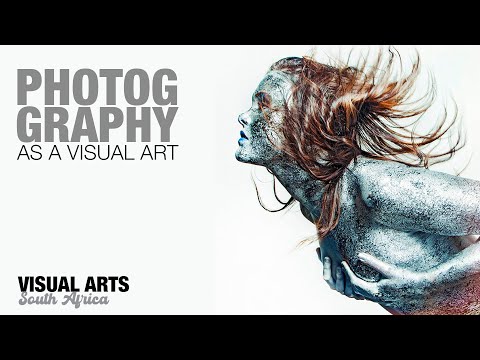
Photography in Visual Arts
Photography has long been recognized as a powerful medium in the world of visual arts. With its ability to capture moments, emotions, and perspectives with precision and clarity, photography has become an integral part of artistic expression and storytelling. From fine art photography to documentary photography, this versatile medium offers artists a wide range of possibilities to explore and communicate their ideas.
One of the key aspects that sets photography apart from other visual arts is its unique relationship with reality. While paintings and drawings are interpretations of the artist’s imagination or perception, photographs capture real-life scenes and moments as they exist in the world. This quality of authenticity gives photography a sense of immediacy and truthfulness that resonates with viewers on a deep emotional level.
Photography also plays a crucial role in documenting history and culture. Through photographs, we can preserve memories, traditions, and societal changes for future generations to study and reflect upon. Documentary photographers, in particular, use their craft to shed light on important social issues, raise awareness about environmental challenges, or simply capture the beauty of everyday life.
In the realm of fine art photography, artists push the boundaries of creativity by experimenting with different techniques, styles, and concepts. Whether it’s through abstract compositions, surreal imagery, or innovative use of light and shadow, photographers can create visually stunning works that challenge our perceptions and provoke thought.
Furthermore, advancements in digital technology have revolutionized the field of photography, allowing artists to manipulate images in ways that were once unimaginable. Photo editing software enables photographers to enhance colors, adjust lighting effects, remove imperfections, and create composite images that blur the line between reality and fantasy.
Overall, photography continues to be a dynamic and evolving medium within the visual arts landscape. Its ability to capture fleeting moments, evoke emotions, document history, and push creative boundaries makes it a valuable tool for artists seeking to express themselves and connect with audiences in meaningful ways.
Mastering Photography: 6 Essential Tips for Captivating Visual Art
- 1. Pay attention to lighting to create mood and impact in your photos.
- 2. Experiment with different angles and perspectives to find unique compositions.
- 3. Use the rule of thirds to create a balanced and visually appealing image.
- 4. Focus on capturing emotions and telling a story through your photographs.
- 5. Don’t be afraid to edit your photos to enhance colors, contrast, and overall quality.
- 6. Practice regularly to improve your skills and develop your own style as a photographer.
1. Pay attention to lighting to create mood and impact in your photos.
When it comes to photography in visual arts, paying attention to lighting is essential for creating mood and impact in your photos. The way light interacts with your subject can dramatically affect the overall look and feel of the image. By carefully considering factors such as natural light, artificial lighting, shadows, and highlights, you can enhance the atmosphere of your photos, evoke specific emotions, and draw viewers into your visual narrative. Experimenting with different lighting techniques allows you to play with contrasts, textures, and shadows to achieve the desired aesthetic and convey a powerful visual message through your photography.
2. Experiment with different angles and perspectives to find unique compositions.
To enhance your photography in visual arts, consider experimenting with different angles and perspectives to discover unique compositions. By exploring unconventional viewpoints and framing your subjects from unexpected angles, you can create visually engaging and distinctive images that stand out. Changing your perspective can add depth, drama, and intrigue to your photographs, allowing you to capture moments in a fresh and innovative way. Embrace the opportunity to think creatively and push the boundaries of traditional composition to unlock new artistic possibilities in your photography journey.
3. Use the rule of thirds to create a balanced and visually appealing image.
When capturing images in the realm of visual arts, utilizing the rule of thirds can significantly enhance the composition of your photographs. By dividing the frame into nine equal sections with two horizontal and two vertical lines, this guideline suggests placing key elements along these lines or at their intersections to create a balanced and visually appealing image. This technique helps draw the viewer’s eye to important focal points within the photograph, adding depth and interest to the composition while maintaining a sense of harmony and proportion.
4. Focus on capturing emotions and telling a story through your photographs.
When delving into photography as a form of visual art, it is crucial to focus on capturing emotions and telling a compelling story through your photographs. Emotions are the essence of human experience, and by infusing your images with genuine feelings and narratives, you can create a deeper connection with your audience. Whether it’s portraying joy, sadness, excitement, or contemplation, the ability to evoke emotions in viewers can make your photographs more impactful and memorable. Through thoughtful composition, lighting, and subject selection, you can craft images that not only visually appeal but also resonate on an emotional level, inviting viewers to immerse themselves in the stories you have captured through your lens.
5. Don’t be afraid to edit your photos to enhance colors, contrast, and overall quality.
When it comes to photography in visual arts, a valuable tip to keep in mind is not to be afraid to edit your photos to enhance colors, contrast, and overall quality. Editing software provides photographers with the tools to fine-tune their images, bringing out the best in their compositions and capturing the essence of the scene. By adjusting colors, contrast, and other aspects of the photo, artists can create visually striking and impactful pieces that resonate with viewers on a deeper level. Embracing editing as a creative tool allows photographers to elevate their work and bring their artistic vision to life with precision and finesse.
6. Practice regularly to improve your skills and develop your own style as a photographer.
To improve your skills and cultivate a unique style as a photographer, it is essential to practice regularly. By consistently engaging in photography, experimenting with different techniques, subjects, and lighting conditions, you can hone your craft and refine your artistic vision. Through practice, you not only develop technical proficiency but also gain a deeper understanding of your creative preferences and strengths as a photographer. Embrace the process of continuous learning and growth through regular practice sessions to elevate your photography to new heights and establish a distinctive style that sets you apart in the world of visual arts.