
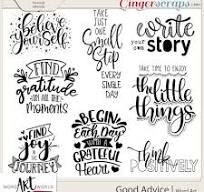
The Art of Word Art: Exploring the Beauty of Typography
Word art, also known as typography, is a fascinating form of visual art that combines the aesthetic appeal of design with the communicative power of language. It involves the skillful arrangement and manipulation of text to create visually striking and meaningful compositions.
Typography has a rich history dating back centuries, evolving from handwritten manuscripts to digital fonts used in modern graphic design. Artists and designers use various typefaces, sizes, colors, spacing, and layouts to convey emotions, messages, and aesthetics through words.
Word art can be found in various forms such as posters, advertisements, book covers, logos, websites, and more. It plays a crucial role in branding, marketing, communication, and artistic expression. The careful selection of fonts and design elements can evoke different moods and resonate with viewers on an emotional level.
Typography enthusiasts appreciate the intricacies of letterforms and enjoy experimenting with different typographic styles to create unique and visually appealing designs. From elegant serif fonts to modern sans-serif typefaces, there is a vast world of typographic possibilities waiting to be explored.
Whether you are a graphic designer looking to enhance your skills or an art lover curious about the beauty of words transformed into art, word art offers endless opportunities for creativity and self-expression. By mastering the principles of typography and embracing the artistry of letters, you can unlock new dimensions of visual communication and storytelling.
Next time you come across a beautifully designed poster or an eye-catching logo, take a moment to appreciate the artistry behind the words. Word art is not just about letters on a page—it is a powerful form of expression that merges language with design to create captivating visual experiences.
Exploring Word Art: Understanding, Creating, and Finding Inspiration
- What is word art?
- How is word art different from traditional art forms?
- What tools are commonly used to create word art?
- How can I improve my skills in word art?
- Where can I find inspiration for creating word art?
What is word art?
Word art, also known as typography, is a creative form of visual expression that involves the skillful arrangement and design of text to convey meaning and aesthetics. In essence, word art transforms words into artistic compositions by utilizing various fonts, sizes, colors, spacing, and layouts. It is a versatile medium used in graphic design, advertising, branding, and artistic endeavors to communicate messages in a visually compelling way. Word art allows artists and designers to play with the visual elements of language, creating captivating designs that engage viewers and evoke emotions through the power of typography.
How is word art different from traditional art forms?
Word art, also known as typography, distinguishes itself from traditional art forms through its unique focus on the visual representation of language. While traditional art forms like painting, sculpture, and drawing primarily rely on visual elements such as color, shape, and texture to convey meaning and evoke emotions, word art places emphasis on the arrangement and design of text to create aesthetically pleasing compositions. Typography harnesses the power of words to communicate messages, emotions, and ideas in a visually engaging manner, blurring the boundaries between language and visual expression. Unlike traditional art forms that may rely solely on imagery to convey a narrative or concept, word art leverages the intrinsic qualities of typography to add layers of meaning and complexity to a piece. The fusion of language and design in word art offers a fresh perspective on artistic expression, inviting viewers to engage with both the written word and its visual presentation in a harmonious blend of creativity.
What tools are commonly used to create word art?
When it comes to creating word art, there are several tools commonly used by artists and designers to bring their typographic visions to life. Graphic design software such as Adobe Illustrator, Photoshop, and InDesign are popular choices for manipulating text, experimenting with fonts, and designing intricate layouts. Online platforms like Canva and WordArt.com offer user-friendly interfaces with pre-designed templates and customization options for creating quick and stylish word art pieces. Additionally, traditional tools like calligraphy pens, brushes, and letterpress equipment provide a hands-on approach for artists seeking a more tactile and artisanal feel in their word art creations. By leveraging a combination of digital and traditional tools, artists can explore the boundless possibilities of typography and unleash their creativity in the realm of word art.
How can I improve my skills in word art?
Improving your skills in word art involves a combination of practice, study, and experimentation. To enhance your proficiency in typography, consider exploring different typefaces, layouts, and design techniques. Experiment with various fonts and colors to understand how they impact the overall aesthetic of your compositions. Study the work of renowned typographers and designers to gain inspiration and insight into effective typography practices. Additionally, seek feedback from peers or instructors to receive constructive criticism and guidance for improvement. By dedicating time to practice, learn, and receive feedback, you can refine your skills in word art and develop a unique style that reflects your creativity and vision.
Where can I find inspiration for creating word art?
Finding inspiration for creating word art can come from a variety of sources. One way is to explore different typography styles and techniques used in graphic design, advertising, and art publications. Studying the work of renowned typographers and designers can also spark ideas and provide insights into effective use of fonts, colors, and layouts. Additionally, drawing inspiration from everyday surroundings, nature, architecture, and cultural elements can offer a fresh perspective for creating unique and meaningful word art compositions. Experimenting with different tools and digital software can further ignite creativity and help develop a personal style in word art creation.