
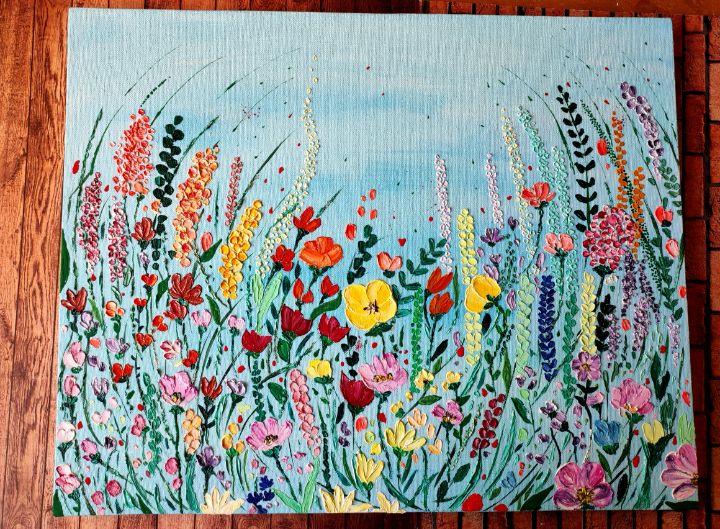
Textured Art: Adding Depth and Dimension to Creativity
Textured art is a captivating form of artistic expression that goes beyond traditional flat surfaces to create depth, dimension, and tactile appeal. Artists use various techniques and materials to add texture to their artworks, resulting in visually stunning pieces that engage the senses and evoke emotions.
One of the most common techniques used in textured art is impasto, where thick layers of paint are applied to the canvas with a palette knife or brush. This creates a three-dimensional effect that adds richness and intensity to the artwork. The texture of impasto paintings can range from subtle brushstrokes to bold, sculptural forms, depending on the artist’s vision.
Another popular method of creating texture in art is collage, where different materials such as paper, fabric, or found objects are layered and adhered to the surface of the artwork. Collage allows artists to experiment with a wide range of textures and patterns, adding complexity and visual interest to their compositions.
For artists looking to explore texture in a more experimental way, mixed media techniques offer endless possibilities. By combining traditional painting methods with unconventional materials like sand, glass beads, or even organic matter, artists can create truly unique and textured artworks that push the boundaries of creativity.
Textured art not only adds visual interest but also invites viewers to engage with the artwork on a tactile level. The play of light and shadow on textured surfaces can create dynamic effects that change depending on the viewing angle, adding an element of surprise and intrigue to the overall composition.
Whether it’s through impasto painting, collage work, or mixed media experimentation, textured art offers artists a versatile and expressive way to explore new dimensions in their creative practice. By embracing texture as a fundamental element of their work, artists can elevate their compositions and connect with viewers on a deeper sensory level.
Exploring Textured Art: FAQs on Techniques, Importance, and Versatility
- What is textured art?
- How do artists create texture in their artworks?
- What are some common techniques used to add texture to art?
- Why is texture important in art?
- Can textured art be created using different mediums?
- Are there specific tools or materials needed for creating textured art?
- What are the benefits of incorporating texture into artwork?
- Is textured art suitable for all types of artistic styles?
What is textured art?
Textured art refers to a form of artistic expression that incorporates various techniques and materials to create physical depth, surface variation, and tactile appeal in artworks. Artists use methods such as impasto painting, collage, and mixed media to add texture to their pieces, resulting in visually captivating compositions that engage the senses. Textured art goes beyond traditional two-dimensional surfaces by introducing elements that invite touch and exploration, adding a dynamic dimension to the viewing experience. By incorporating texture into their work, artists can enhance the visual impact of their creations and evoke emotional responses from viewers through the interplay of light, shadow, and physical texture.
How do artists create texture in their artworks?
Artists employ a variety of techniques to create texture in their artworks, adding depth and visual interest to their compositions. One common method is through the application of thick layers of paint using tools like palette knives or brushes, known as impasto. This technique allows artists to build up sculptural forms on the canvas, resulting in a tactile and three-dimensional effect. Another approach is through collage, where different materials such as paper, fabric, or found objects are layered onto the surface of the artwork, introducing diverse textures and patterns. Additionally, artists may experiment with mixed media, combining traditional painting methods with unconventional materials like sand or glass beads to achieve unique textural effects that enhance the overall aesthetic appeal of their creations. By exploring these diverse techniques and materials, artists can infuse their artworks with rich textures that engage viewers on both a visual and tactile level.
What are some common techniques used to add texture to art?
Adding texture to art is a dynamic and engaging process that involves various techniques to enhance the visual and tactile qualities of an artwork. Some common techniques used to add texture to art include impasto, where thick layers of paint are applied with a palette knife or brush to create a sculptural effect on the canvas. Another popular method is collage, which involves layering different materials such as paper, fabric, or found objects onto the surface of the artwork to introduce diverse textures and patterns. Artists also explore mixed media approaches by combining traditional painting methods with unconventional materials like sand, beads, or even natural elements to push the boundaries of texture in their creations. These techniques not only add depth and dimension to art but also invite viewers to interact with the artwork on a multisensory level, creating a truly immersive artistic experience.
Why is texture important in art?
Texture plays a crucial role in art as it adds depth, visual interest, and sensory richness to artworks. By incorporating texture into their creations, artists can evoke emotions, create focal points, and enhance the overall composition. Texture allows viewers to engage with art on a tactile level, inviting them to explore the surface and appreciate the intricate details that contribute to the artwork’s overall impact. Whether through subtle brushstrokes, bold impasto layers, or intricate collage elements, texture adds complexity and dimension to art, making it a vital element in conveying meaning and capturing the viewer’s attention.
Can textured art be created using different mediums?
Yes, textured art can indeed be created using a variety of different mediums. Artists have the creative freedom to experiment with a wide range of materials to add texture to their artworks, including but not limited to acrylic paint, oil paint, watercolors, pastels, ink, clay, fabric, paper, found objects, and more. Each medium offers unique properties and textures that can be manipulated and combined to achieve diverse effects in textured art. By exploring different mediums and techniques, artists can push the boundaries of traditional art forms and create innovative and visually engaging textured artworks that showcase their creativity and skill.
Are there specific tools or materials needed for creating textured art?
When it comes to creating textured art, artists often wonder if there are specific tools or materials needed to achieve desired tactile effects. While the choice of tools and materials largely depends on the artist’s preferred techniques and artistic vision, some common items used in textured art include palette knives, brushes with varying bristle textures, modeling paste, gels, sand, fabric scraps, and found objects. These tools and materials allow artists to experiment with different textures and create depth in their artworks, adding a unique dimension to their creative expression. Experimenting with a variety of tools and materials can help artists discover new techniques and push the boundaries of traditional art forms to create truly captivating textured artworks.
What are the benefits of incorporating texture into artwork?
Incorporating texture into artwork offers a myriad of benefits that enhance the visual and tactile experience for both the artist and the viewer. Texture adds depth and dimension to a piece, creating a sense of richness and complexity that captivates the eye. By engaging multiple senses, textured art can evoke a stronger emotional response and connection with the audience. Texture also allows artists to explore different techniques and materials, fostering creativity and experimentation in their artistic practice. Furthermore, textured art can convey a sense of movement, energy, and dynamism, bringing life to static compositions. Overall, incorporating texture into artwork not only enriches the aesthetic appeal but also adds layers of meaning and intrigue to the creative process.
Is textured art suitable for all types of artistic styles?
The question of whether textured art is suitable for all types of artistic styles is a common inquiry among artists and art enthusiasts. While textured art can add depth and dimension to a wide range of artistic styles, its suitability ultimately depends on the artist’s intent and aesthetic preferences. Some artistic styles, such as abstract expressionism or mixed media art, often incorporate texture as a central element to convey emotion and create visual interest. On the other hand, minimalist or hyper-realistic styles may prioritize smooth surfaces and precise details over texture. Artists are encouraged to experiment with texture in their work to enhance their artistic vision and explore new possibilities for creative expression, regardless of their chosen style.