
The Timeless Beauty of Famous Artworks
Art has the power to transcend time and space, capturing the essence of human emotions and experiences in a single masterpiece. Throughout history, artists have created iconic works that have stood the test of time, inspiring generations with their beauty, creativity, and meaning. Let’s explore some of the most famous artworks that have left an indelible mark on the world:
Mona Lisa by Leonardo da Vinci
Arguably the most famous painting in the world, the Mona Lisa is a masterpiece of Renaissance art. Painted by Leonardo da Vinci in the early 16th century, this enigmatic portrait of a woman with a mysterious smile continues to captivate viewers with its subtle charm and intricate details.
The Starry Night by Vincent van Gogh
Vincent van Gogh’s The Starry Night is a vivid and emotional depiction of the night sky over Saint-Rémy-de-Provence. Painted in 1889 during his stay at a mental asylum, this iconic work showcases van Gogh’s unique style characterized by swirling brushstrokes and vibrant colors that convey his inner turmoil and artistic genius.
The Persistence of Memory by Salvador Dalí
Surrealist master Salvador Dalí’s The Persistence of Memory is a surrealistic exploration of time, memory, and reality. Featuring melting clocks draped over barren landscapes, this dreamlike painting challenges our perception of space and time while inviting us into Dalí’s eccentric world of imagination.
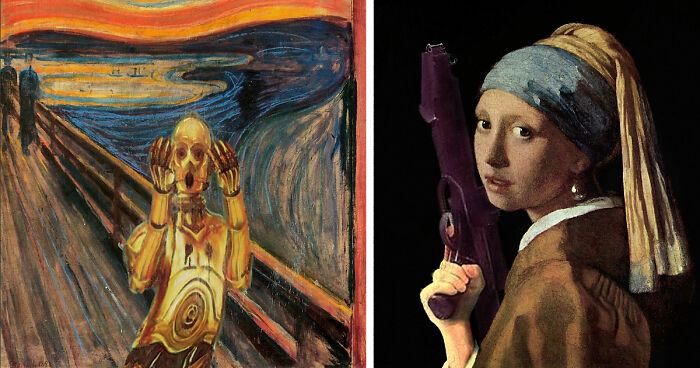
Girl with a Pearl Earring by Johannes Vermeer
Johannes Vermeer’s Girl with a Pearl Earring is a timeless portrait that exudes elegance and mystery. Painted in the 17th century, this iconic work showcases Vermeer’s mastery of light and shadow as he captures the enigmatic gaze of a young woman adorned with a lustrous pearl earring.
These famous artworks are just a glimpse into the rich tapestry of artistic expression that has shaped our world. Each painting tells a story, evokes emotions, and invites us to contemplate the beauty and complexity of human existence through the eyes of great artists who dared to capture it on canvas.
Five Reasons Famous Artworks Captivate and Connect Us
- Famous artworks serve as cultural landmarks, representing the artistic achievements of different time periods and civilizations.
- They inspire creativity and imagination, encouraging viewers to see the world in new and innovative ways.
- These masterpieces evoke a wide range of emotions, from joy and awe to contemplation and introspection, creating a profound impact on viewers.
- Famous artworks have the power to transcend language barriers, connecting people from diverse backgrounds through a shared appreciation for beauty and creativity.
- They provide insight into the minds of great artists, offering a glimpse into their unique perspectives, techniques, and influences that shaped their work.
7 Challenges Faced by Famous Artworks: From Theft to Authentication
- Subject to theft or vandalism
- High cost of acquisition and maintenance
- Limited accessibility to the general public
- Potential controversy or criticism from viewers
- Risk of damage due to improper handling or storage
- Dependence on external factors for preservation (e.g., climate control)
- Challenge of authenticating and verifying provenance
Famous artworks serve as cultural landmarks, representing the artistic achievements of different time periods and civilizations.
Famous artworks serve as cultural landmarks, representing the artistic achievements of different time periods and civilizations. These iconic pieces not only showcase the creativity and skill of individual artists but also provide valuable insights into the social, political, and cultural contexts in which they were created. Through famous artworks, we can trace the evolution of artistic styles, techniques, and themes across centuries, gaining a deeper understanding of the diverse perspectives and influences that have shaped human creativity throughout history.
They inspire creativity and imagination, encouraging viewers to see the world in new and innovative ways.
Famous artworks have the remarkable ability to inspire creativity and imagination in viewers, urging them to perceive the world through fresh and innovative perspectives. By immersing themselves in the beauty and depth of renowned masterpieces, individuals are encouraged to explore their own creativity, think outside the box, and envision possibilities beyond conventional boundaries. These iconic works serve as catalysts for unlocking imagination and fostering a sense of wonder that can lead to transformative experiences and new insights into the richness of human expression.
These masterpieces evoke a wide range of emotions, from joy and awe to contemplation and introspection, creating a profound impact on viewers.
Famous artworks have the remarkable ability to evoke a wide range of emotions in viewers, from joy and awe to contemplation and introspection. The profound impact of these masterpieces lies in their ability to stir deep-seated feelings and provoke thought, inviting viewers to explore the complexities of human experience and connect with the artist’s vision on a deeply personal level. Through their beauty, creativity, and emotional resonance, famous artworks have the power to inspire, challenge, and move us in ways that words alone cannot express.
Famous artworks have the power to transcend language barriers, connecting people from diverse backgrounds through a shared appreciation for beauty and creativity.
Famous artworks possess a remarkable ability to transcend language barriers, uniting individuals from various cultures and backgrounds through a mutual admiration for beauty and creativity. Regardless of the spoken language, the visual language of art speaks volumes, evoking emotions and sparking conversations that resonate universally. Through famous artworks, people can forge connections, foster understanding, and celebrate the richness of human expression beyond linguistic differences.
They provide insight into the minds of great artists, offering a glimpse into their unique perspectives, techniques, and influences that shaped their work.
Famous artworks offer a fascinating window into the minds of great artists, allowing us to delve into their creative processes and understand the intricate layers of meaning behind their masterpieces. By studying these works, we gain valuable insights into the unique perspectives, techniques, and influences that shaped the artistic vision of these creators. Through their art, we can appreciate the depth of their imagination, the complexity of their emotions, and the innovative approaches they employed to convey their ideas to the world.
Subject to theft or vandalism
One significant con of famous artworks is that they are often subject to theft or vandalism. Due to their high value and cultural significance, renowned pieces of art are prime targets for thieves looking to profit from their illicit sale or ransom. Additionally, some individuals may seek to deface or damage famous artworks as a form of protest or expression, leading to irreparable harm to these treasured pieces of cultural heritage. The threat of theft and vandalism poses a constant challenge for museums, galleries, and private collectors tasked with safeguarding these invaluable works of art for future generations to appreciate and enjoy.
High cost of acquisition and maintenance
The high cost of acquisition and maintenance is a significant con associated with famous artworks. Many iconic pieces of art command exorbitant prices at auctions, making them inaccessible to all but the wealthiest collectors and institutions. Even after acquiring a valuable artwork, the ongoing expenses for its preservation, insurance, and display can be substantial. This financial barrier limits the public’s access to these cultural treasures and can perpetuate inequalities in art ownership and appreciation. Additionally, the pressure to maintain these artworks in pristine condition can place a burden on owners and custodians, requiring careful conservation efforts and resources to ensure their longevity for future generations to enjoy.
Limited accessibility to the general public
One significant con of famous artworks is their limited accessibility to the general public. Many iconic pieces of art are housed in prestigious museums or private collections, making it difficult for the average person to view them in person. High entrance fees, restricted viewing hours, and geographical barriers can further hinder the public’s ability to experience and appreciate these renowned artworks. This exclusivity can create a sense of elitism within the art world, perpetuating the notion that art is only meant for a select few rather than being a universal form of expression and enrichment for all individuals.
Potential controversy or criticism from viewers
One common con of famous artworks is the potential controversy or criticism they may evoke from viewers. Art is subjective, and what one person finds captivating, another may find offensive or controversial. Certain famous artworks have sparked debates and discussions due to their provocative themes, unconventional styles, or challenging subject matter. This controversy can sometimes overshadow the artistic merit of the piece and lead to heated debates about censorship, freedom of expression, and societal values. While art has the power to provoke thought and inspire change, it can also be a source of discord and disagreement among viewers with differing perspectives and sensibilities.
Risk of damage due to improper handling or storage
One significant con of owning or displaying famous artworks is the risk of damage that can occur due to improper handling or storage. These precious and often irreplaceable pieces are vulnerable to environmental factors, such as fluctuations in temperature and humidity, exposure to light, and physical mishandling. Improper care can lead to fading colors, cracking paint, warping canvas, or other irreversible damage that diminishes the aesthetic and historical value of the artwork. Collectors, museums, and art enthusiasts must implement strict conservation practices to ensure the long-term preservation of these valuable cultural treasures.
Dependence on external factors for preservation (e.g., climate control)
One significant con of famous artworks is their dependence on external factors for preservation, such as climate control. Many priceless masterpieces are vulnerable to damage from fluctuations in temperature, humidity, light exposure, and other environmental conditions. Without proper conservation measures and controlled settings, these artworks can deteriorate over time, leading to irreversible damage that diminishes their historical and artistic value. Museums and collectors must invest in sophisticated preservation techniques and facilities to ensure the longevity of these precious works of art, highlighting the ongoing challenge of balancing accessibility with the need for stringent conservation practices.
Challenge of authenticating and verifying provenance
One significant challenge associated with famous artworks is the authentication and verification of their provenance. As artworks gain recognition and value over time, the task of confirming their authenticity becomes increasingly complex. Issues such as forgeries, misattributions, and incomplete documentation can cast doubt on the true origins of a piece, leading to debates among art experts and collectors. The meticulous process of tracing an artwork’s provenance back to its creation requires thorough research, scientific analysis, and collaboration among various stakeholders to establish its legitimacy and historical significance. The authenticity of famous artworks plays a crucial role in preserving their cultural heritage and ensuring their integrity within the art world.