
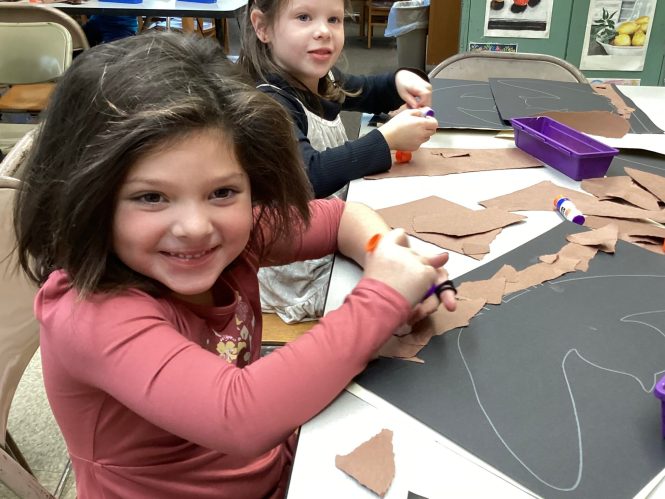
The Benefits of Taking Art Lessons
Art lessons offer much more than just the opportunity to create beautiful works of art. Whether you are a beginner or an experienced artist, engaging in art lessons can have numerous benefits for your overall well-being and personal development.
Creativity Enhancement
Art lessons provide a platform for you to explore your creativity and express yourself through various artistic mediums. By experimenting with different techniques and styles, you can enhance your creative thinking and problem-solving skills.
Stress Relief
Creating art can be a therapeutic experience that helps reduce stress and anxiety. Engaging in art lessons allows you to focus on the present moment, relax, and unwind from the pressures of daily life.
Self-Expression
Art is a powerful form of self-expression. Through art lessons, you can learn how to communicate your thoughts, emotions, and experiences visually, allowing you to express yourself in ways that words cannot always convey.
Skill Development
Art lessons help improve your artistic skills and techniques. Whether you are learning drawing, painting, sculpture, or any other medium, consistent practice and guidance from experienced instructors can help you refine your abilities and grow as an artist.
Confidence Boost
As you progress in your art lessons and see improvement in your work, your confidence as an artist will grow. Building confidence in your artistic abilities can have a positive impact on other areas of your life as well.
Social Connection
Art lessons provide an opportunity to connect with like-minded individuals who share a passion for creativity. Building relationships with fellow artists can inspire collaboration, feedback exchange, and a sense of community within the art world.
In conclusion, taking art lessons is not just about learning how to create art—it’s about embracing a creative journey that can enrich your life in countless ways. So whether you’re looking to develop new skills or simply explore your artistic side, consider enrolling in art lessons to experience the many benefits it has to offer.
Unlocking Creativity: 6 Benefits of Art Lessons for Personal Growth and Connection
- Enhances creativity and imagination
- Provides a therapeutic outlet for stress relief
- Promotes self-expression and emotional well-being
- Develops artistic skills and techniques
- Boosts confidence and self-esteem
- Fosters social connections within the art community
Challenges of Art Lessons: Navigating Costs, Time, and Expectations
- Costly art supplies can be expensive, especially for beginners on a tight budget.
- Time-consuming nature of creating art may not fit well with busy schedules.
- Criticism and feedback from instructors or peers can sometimes be discouraging.
- Limited access to specialized equipment or facilities may hinder the learning experience.
- Artistic skills may take time to develop, leading to frustration for some learners.
- Pressure to produce ‘perfect’ artwork in lessons can create stress and diminish enjoyment.
Enhances creativity and imagination
Engaging in art lessons has the remarkable benefit of enhancing creativity and imagination. Through exploring different artistic mediums, experimenting with techniques, and expressing oneself visually, individuals can unlock their creative potential and expand their imaginative capabilities. Art lessons encourage thinking outside the box, problem-solving in unique ways, and embracing innovative approaches to art-making. By fostering creativity and imagination, art lessons not only nurture artistic skills but also inspire individuals to see the world from new perspectives and unleash their boundless creativity in all aspects of life.
Provides a therapeutic outlet for stress relief
Art lessons offer a therapeutic outlet for stress relief, allowing individuals to immerse themselves in the creative process and find solace in artistic expression. Engaging in art activities can help reduce stress and anxiety by providing a calming and meditative experience that encourages mindfulness and relaxation. Through the act of creating art, individuals can channel their emotions, thoughts, and energy into their work, providing a healthy and constructive way to cope with daily pressures and find inner peace.
Promotes self-expression and emotional well-being
Art lessons provide a valuable platform for individuals to explore and express their inner thoughts, emotions, and experiences through art. By encouraging self-expression, art lessons can help individuals process their feelings, communicate their unique perspectives, and foster a sense of emotional well-being. Through creative expression, students can tap into their innermost thoughts and find catharsis, leading to a deeper understanding of themselves and improved mental health.
Develops artistic skills and techniques
Art lessons play a crucial role in developing artistic skills and techniques by providing structured guidance, practice, and feedback from experienced instructors. Through consistent learning and hands-on experience in various art forms such as drawing, painting, sculpture, and more, individuals can refine their abilities, explore new artistic approaches, and enhance their overall proficiency in creating visually compelling artwork. This pro of art lessons not only fosters growth as an artist but also cultivates a deeper understanding of different artistic methods and styles, empowering individuals to express themselves more effectively through their art.
Boosts confidence and self-esteem
Engaging in art lessons has been shown to significantly boost confidence and self-esteem in individuals of all ages. As students explore their creativity, experiment with different techniques, and see their skills improve over time, they gain a sense of accomplishment and pride in their artistic abilities. This newfound confidence not only translates into their artwork but also extends to other aspects of their lives, helping them approach challenges with a positive mindset and a belief in their own capabilities. Art lessons provide a supportive environment where individuals can express themselves freely, receive constructive feedback, and celebrate their unique talents, fostering a strong sense of self-worth and empowerment.
Fosters social connections within the art community
Art lessons provide a valuable opportunity for individuals to foster social connections within the art community. By engaging in art classes, workshops, and collaborative projects, participants can connect with like-minded individuals who share a passion for creativity. These interactions not only create a sense of camaraderie and support but also offer opportunities for networking, sharing ideas, receiving feedback, and building relationships with fellow artists. Through these social connections, artists can inspire each other, collaborate on projects, and contribute to a vibrant and supportive artistic community that encourages growth and learning.
Costly art supplies can be expensive, especially for beginners on a tight budget.
Costly art supplies can pose a significant challenge, especially for beginners who are on a tight budget. The expenses associated with purchasing quality materials such as paints, brushes, canvases, and other tools can deter individuals from fully engaging in art lessons or pursuing their artistic interests. The financial burden of acquiring these supplies may limit the creative opportunities available to aspiring artists and make it difficult for them to explore different mediums and techniques. As a result, the high cost of art supplies can be a barrier to entry for individuals looking to benefit from art lessons and express themselves creatively.
Time-consuming nature of creating art may not fit well with busy schedules.
The time-consuming nature of creating art may present a significant challenge for individuals with busy schedules. Art lessons often require dedicated time and focus to practice and develop artistic skills, which may be difficult to accommodate in a hectic daily routine. Balancing work, family commitments, and other responsibilities alongside regular art practice can be demanding and may deter some individuals from fully engaging in art lessons. The need for consistent practice and exploration in art can clash with time constraints, making it challenging for busy individuals to commit to the creative process effectively.
Criticism and feedback from instructors or peers can sometimes be discouraging.
Receiving criticism and feedback from instructors or peers during art lessons can sometimes be discouraging for students. Constructive criticism is essential for growth and improvement in art, but it can also feel challenging to hear when it highlights areas of weakness or suggests changes to one’s creative work. Negative feedback may impact a student’s confidence and motivation, leading them to doubt their abilities or feel discouraged about their artistic progress. It is important for instructors and peers to provide feedback in a supportive and constructive manner, emphasizing areas for improvement while also acknowledging the student’s efforts and creativity to help them navigate through any discouragement they may experience.
Limited access to specialized equipment or facilities may hinder the learning experience.
Limited access to specialized equipment or facilities can present a significant challenge for individuals participating in art lessons. Without the necessary tools and resources, students may find their learning experience hindered, restricting their ability to fully explore and experiment with different artistic techniques and mediums. This limitation can impede skill development and creativity, as students may not have the opportunity to work with specialized equipment that could enhance their understanding of various artistic processes. Additionally, the absence of proper facilities may limit the scope of projects that can be undertaken, potentially limiting the overall educational value and practical application of the lessons. Addressing this con by providing alternative solutions or access to necessary equipment is essential to ensure a comprehensive and enriching art education experience for all learners.
Artistic skills may take time to develop, leading to frustration for some learners.
For some learners, one significant drawback of art lessons is the time and patience required to develop artistic skills. Progressing in art can be a slow and gradual process, and mastering techniques may take considerable time and practice. This slow development can lead to frustration and discouragement for those who expect quick results or struggle with perfectionism. Overcoming this challenge requires perseverance, dedication, and a willingness to embrace the learning journey with its inevitable ups and downs.
Pressure to produce ‘perfect’ artwork in lessons can create stress and diminish enjoyment.
The pressure to produce ‘perfect’ artwork in art lessons can create a significant amount of stress and diminish the overall enjoyment of the creative process. When students feel compelled to meet unrealistic standards of perfection set by themselves or others, it can stifle their creativity, increase anxiety levels, and detract from the joy of artistic expression. Instead of focusing on experimentation, learning, and personal growth, the emphasis on achieving flawless results can lead to feelings of inadequacy and self-criticism, ultimately hindering the genuine exploration and enjoyment that art lessons are meant to foster.