
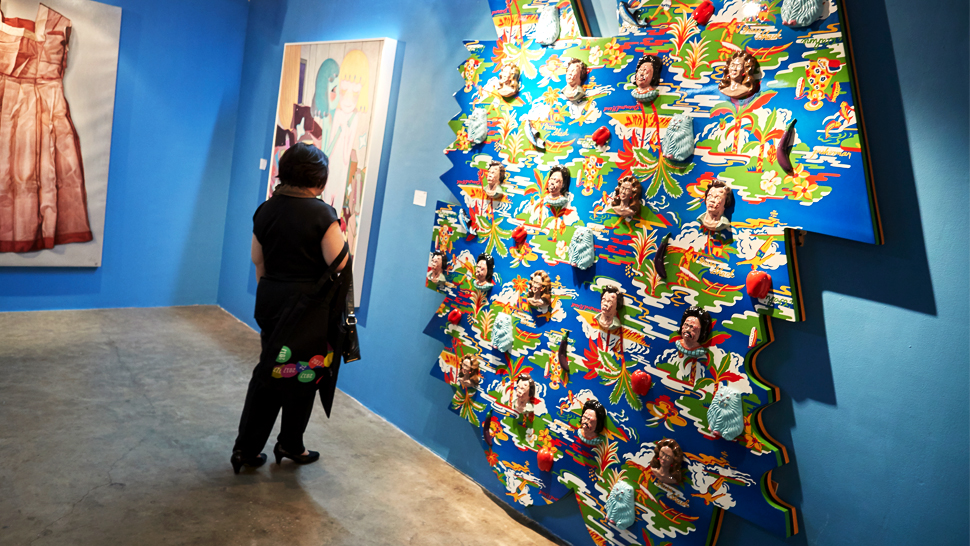
The Importance of Art Appreciation
Art appreciation is a fundamental aspect of human culture and society. It allows individuals to connect with their emotions, thoughts, and experiences in a unique and profound way. By engaging with art, whether it be through visual arts, music, literature, or other forms of creative expression, people can gain a deeper understanding of themselves and the world around them.
One of the key benefits of art appreciation is its ability to evoke emotions and stimulate the senses. Through viewing a painting, listening to a piece of music, or reading a poem, individuals can experience a wide range of feelings such as joy, sadness, awe, or contemplation. These emotional responses not only enrich our lives but also help us develop empathy and compassion towards others.
Furthermore, art appreciation encourages critical thinking and creativity. When analyzing an artwork or interpreting a piece of literature, individuals are prompted to think critically about its meaning, symbolism, and cultural context. This process fosters intellectual growth and enhances problem-solving skills.
Moreover, art appreciation promotes cultural awareness and diversity. By exploring artworks from different time periods and regions around the world, individuals can gain insights into various cultures, traditions, and perspectives. This exposure to diverse artistic expressions helps foster tolerance and appreciation for the richness of human creativity.
In conclusion, art appreciation plays a vital role in enhancing our quality of life by fostering emotional connections, stimulating creativity, encouraging critical thinking, and promoting cultural understanding. By engaging with art in all its forms, we can cultivate a deeper sense of self-awareness and empathy while celebrating the diversity and beauty of human expression.
8 Benefits of Art Appreciation: Boosting Creativity, Empathy, and Personal Growth
- Enhances emotional intelligence and empathy
- Encourages creative thinking and problem-solving skills
- Promotes cultural understanding and diversity
- Provides a sense of beauty and inspiration
- Fosters critical thinking and analytical skills
- Helps individuals express themselves in unique ways
- Offers a form of relaxation and stress relief
- Creates opportunities for personal growth and self-reflection
Exploring the Challenges of Art Appreciation: Navigating Subjectivity, Accessibility, and Time Commitment
Enhances emotional intelligence and empathy
Art appreciation enhances emotional intelligence and empathy by allowing individuals to connect with the emotions and experiences conveyed through artistic expressions. By engaging with various forms of art, such as paintings, music, literature, or performances, individuals develop a heightened sensitivity to different emotional cues and nuances. This increased awareness of emotions not only deepens one’s understanding of oneself but also fosters empathy towards others as they can better relate to and appreciate the feelings and perspectives portrayed in artworks. Ultimately, art appreciation serves as a powerful tool for cultivating emotional intelligence and nurturing a more compassionate and empathetic society.
Encourages creative thinking and problem-solving skills
Art appreciation plays a crucial role in encouraging creative thinking and honing problem-solving skills. By engaging with various art forms, individuals are prompted to think outside the box, explore new perspectives, and approach challenges with innovative solutions. Analyzing artworks, interpreting symbolism, and understanding artistic techniques all contribute to the development of critical thinking abilities that can be applied to real-life situations. Through art appreciation, individuals cultivate their creativity and enhance their problem-solving skills, fostering a mindset that values experimentation, originality, and adaptability.
Promotes cultural understanding and diversity
Art appreciation plays a crucial role in promoting cultural understanding and diversity by exposing individuals to a wide range of artistic expressions from different time periods and regions around the world. Through engaging with diverse artworks, people can gain insights into various cultures, traditions, and perspectives, fostering tolerance and appreciation for the richness of human creativity. This exposure to diverse art forms helps break down barriers, promote cross-cultural dialogue, and celebrate the unique beauty of cultural diversity.
Provides a sense of beauty and inspiration
Art appreciation provides a sense of beauty and inspiration that uplifts the human spirit and enriches our lives. By immersing ourselves in the beauty of artworks, whether it be a captivating painting, a moving piece of music, or a thought-provoking sculpture, we are able to experience moments of awe and wonder. These encounters with beauty can inspire us to see the world in new ways, spark our creativity, and ignite a passion for exploring our own artistic expressions. Beauty has the power to transcend language and cultural barriers, connecting us on a fundamental level and reminding us of the inherent creativity and grace that exists in the world.
Fosters critical thinking and analytical skills
Art appreciation, through its emphasis on analyzing and interpreting artworks, plays a crucial role in fostering critical thinking and analytical skills. By engaging with various forms of art, individuals are encouraged to question, evaluate, and interpret the meaning behind artistic expressions. This process not only sharpens their ability to think critically but also enhances their capacity to analyze complex ideas and concepts. Art appreciation challenges individuals to look beyond the surface and delve deeper into the layers of symbolism, context, and artistic techniques employed in creating a piece of art, thereby nurturing a more nuanced and insightful approach to problem-solving and decision-making in all aspects of life.
Helps individuals express themselves in unique ways
Art appreciation serves as a powerful tool that enables individuals to express themselves in unique and personal ways. By engaging with art, whether through creating their own artworks or interpreting existing pieces, people can tap into their inner thoughts, emotions, and experiences that may be challenging to convey through words alone. Through the exploration of different artistic mediums and styles, individuals can find creative outlets for self-expression, allowing them to communicate their perspectives, beliefs, and identities in a manner that is both authentic and deeply meaningful. Art appreciation empowers individuals to embrace their uniqueness and share their voices with the world in ways that are truly one-of-a-kind.
Offers a form of relaxation and stress relief
Engaging in art appreciation offers a valuable form of relaxation and stress relief for individuals. Whether through creating art, visiting galleries, or simply immersing oneself in the beauty of artistic expressions, the act of appreciating art can provide a much-needed escape from the pressures of daily life. The process of focusing on artwork allows individuals to enter a state of mindfulness, where they can unwind, reflect, and recharge their mental and emotional well-being. This therapeutic aspect of art appreciation not only promotes relaxation but also helps reduce stress levels and enhance overall mental health.
Creates opportunities for personal growth and self-reflection
Art appreciation creates valuable opportunities for personal growth and self-reflection by encouraging individuals to explore their emotions, beliefs, and experiences through artistic expression. Engaging with art allows people to introspectively examine their thoughts and feelings, leading to a deeper understanding of themselves and the world around them. Through this process of self-reflection, individuals can gain insights into their values, aspirations, and personal growth areas, fostering a journey of self-discovery and personal development.
Subjectivity
Art appreciation is often hindered by the inherent subjectivity of interpreting and valuing artworks. Due to personal experiences, cultural backgrounds, and individual preferences, people may have diverse interpretations of art pieces, which can lead to disagreements and misunderstandings. This subjectivity challenges the notion of a universal standard for evaluating art and highlights the complexity of navigating diverse perspectives in the art world. Despite this con, embracing the diversity of interpretations can also enrich discussions and deepen our understanding of the multifaceted nature of artistic expression.
Accessibility
The lack of accessibility to art galleries, museums, or cultural events poses a significant con for art appreciation. Not everyone has the privilege or means to visit these venues, which restricts their opportunities to engage in art appreciation activities. This limitation can prevent individuals from exploring and enjoying art, depriving them of the enriching experiences and insights that artistic expressions can offer. As a result, the unequal access to artistic resources may perpetuate disparities in cultural education and hinder the development of a more inclusive and diverse art community.
Time-consuming
Developing a deep understanding and appreciation for art can be hindered by its time-consuming nature. Delving into the study of various artistic styles, movements, and historical contexts demands a significant investment of time and effort, making it a challenging pursuit for individuals with busy schedules. The need to dedicate ample time to explore and comprehend the complexities of art may deter some from fully engaging in the enriching experience of art appreciation.