
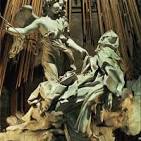
The Magnificence of Baroque Art
Baroque art, originating in the late 16th century and flourishing throughout the 17th century, is characterized by its grandeur, drama, and emotional intensity. This artistic style emerged in Europe as a response to the Renaissance’s emphasis on balance and harmony, seeking to evoke strong emotions and create a sense of awe in viewers.
One of the defining features of Baroque art is its use of dynamic compositions, exaggerated motion, and theatrical lighting to create a sense of movement and drama. Artists employed rich colors, intricate details, and elaborate ornamentation to convey power, passion, and spirituality in their works.
Baroque art encompassed various forms including painting, sculpture, architecture, and music. Prominent Baroque artists such as Caravaggio, Bernini, Rubens, and Rembrandt produced masterpieces that captured the essence of this period with their bold use of light and shadow, dramatic gestures, and intense expressions.
Baroque architecture is characterized by its ornate facades, elaborate decorations, and grandiose designs. Buildings such as St. Peter’s Basilica in Rome and the Palace of Versailles in France exemplify the opulence and splendor of Baroque architecture.
Baroque art was often commissioned by the Catholic Church and European monarchs to convey religious themes or glorify their reigns. The Counter-Reformation also played a significant role in the development of Baroque art as artists sought to engage viewers emotionally and spiritually through their works.
Despite evolving into different styles over time, the legacy of Baroque art continues to inspire artists and audiences around the world with its emotional depth, theatricality, and sheer beauty. Its influence can be seen in various artistic movements throughout history, making it a timeless testament to human creativity and expression.
Understanding Baroque Art: Key Characteristics, Renowned Artists, and Identification Tips
- What are 3 characteristics of Baroque art?
- Who are the best 5 Baroque artists?
- What are the 7 characteristics of Baroque art?
- What did Baroque art focus on?
- What defines Baroque art?
- How do you identify Baroque art?
What are 3 characteristics of Baroque art?
Baroque art is known for its distinct characteristics that set it apart from other artistic styles. Three key features of Baroque art include dramatic use of light and shadow, dynamic compositions that create a sense of movement, and emotional intensity that aims to evoke strong feelings in viewers. Artists of the Baroque period utilized these elements to convey power, passion, and spirituality in their works, resulting in visually striking and emotionally engaging masterpieces that continue to captivate audiences centuries later.
Who are the best 5 Baroque artists?
When exploring the realm of Baroque art, one frequently asked question is, “Who are the best 5 Baroque artists?” The answer to this query often leads to a discussion of renowned masters who have left an indelible mark on the art world during the Baroque period. Among the top 5 Baroque artists commonly cited are Caravaggio, known for his revolutionary use of light and shadow; Gian Lorenzo Bernini, a sculptor and architect whose works epitomize Baroque grandeur; Peter Paul Rubens, celebrated for his dynamic compositions and vibrant colors; Rembrandt van Rijn, whose mastery of chiaroscuro and emotional depth set him apart; and Diego Velázquez, a Spanish painter revered for his realism and psychological insight. These artists’ contributions to Baroque art continue to captivate audiences with their innovative techniques, emotional resonance, and timeless beauty.
What are the 7 characteristics of Baroque art?
Baroque art is known for its distinct characteristics that set it apart from other artistic styles. The seven key features of Baroque art include grandeur and drama, emotional intensity, dynamic compositions, use of light and shadow, rich colors and ornamentation, theatricality, and a focus on religious or royal themes. These elements work together to create a visually stunning and emotionally evocative aesthetic that defines the Baroque period in art history. Artists of the Baroque era utilized these characteristics to convey power, passion, and spirituality in their works, leaving a lasting impact on the art world.
What did Baroque art focus on?
Baroque art focused on capturing the dramatic and emotional aspects of human experience through grandeur, dynamism, and intensity. Artists of the Baroque period sought to evoke strong emotions in viewers by employing dynamic compositions, theatrical lighting, and exaggerated motion in their works. The art aimed to convey themes of power, passion, spirituality, and drama through rich colors, intricate details, and elaborate ornamentation. Baroque art often depicted religious scenes with a sense of awe and reverence or portrayed secular subjects with a heightened sense of drama and vitality. Overall, Baroque art emphasized the expression of intense emotions and the creation of visually striking compositions that engaged viewers on both an intellectual and emotional level.
What defines Baroque art?
Baroque art is defined by its grandeur, drama, and emotional intensity. This artistic style, which emerged in Europe during the late 16th century and flourished throughout the 17th century, sought to evoke strong emotions and create a sense of awe in viewers. Key characteristics of Baroque art include dynamic compositions, exaggerated motion, theatrical lighting, rich colors, intricate details, and elaborate ornamentation. Artists of the Baroque period aimed to capture power, passion, and spirituality in their works through bold use of light and shadow, dramatic gestures, and intense expressions. The elaborate facades of Baroque architecture and the opulent designs of buildings like St. Peter’s Basilica in Rome exemplify the grandiose nature of Baroque art.
How do you identify Baroque art?
Identifying Baroque art involves recognizing key characteristics that define this artistic style. One way to identify Baroque art is through its emphasis on drama, emotion, and movement. Look for dynamic compositions, exaggerated gestures, and theatrical lighting that create a sense of intensity and energy in the artwork. Baroque art often features rich colors, intricate details, and elaborate ornamentation that convey a sense of grandeur and opulence. Additionally, pay attention to the use of light and shadow to create a dramatic contrast in the artwork. By observing these visual elements and understanding the historical context of the Baroque period, one can effectively identify and appreciate the unique qualities of Baroque art.