
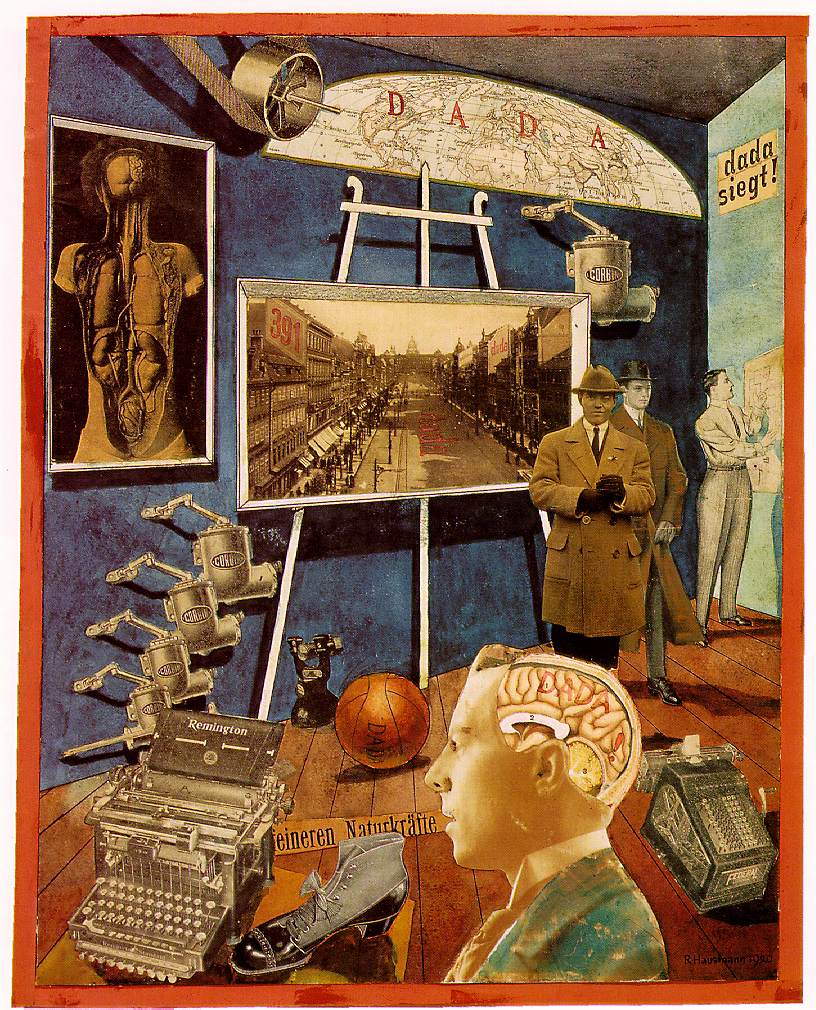
The Revolutionary Art Movement: Dada Art
Dada art, born out of the chaos and disillusionment of World War I, was a radical artistic and literary movement that emerged in Europe in the early 20th century. Rejecting traditional aesthetic values and embracing absurdity, irrationality, and anti-art sentiments, Dada artists sought to challenge the established norms of society and art.
The term “Dada” itself is believed to have originated from a French/German dictionary randomly opened to the word “dada,” which means “hobbyhorse” or “rocking horse.” This nonsensical and playful origin encapsulates the spirit of Dadaism – a movement characterized by its rejection of logic, reason, and conventional artistic practices.
Dada art encompassed a wide range of mediums, including visual arts, poetry, performance art, and manifestos. Artists associated with the Dada movement such as Marcel Duchamp, Hans Arp, Sophie Taeuber-Arp, and Tristan Tzara created provocative works that challenged the notion of what art could be.
One of the most iconic examples of Dada art is Marcel Duchamp’s “Fountain,” a readymade sculpture consisting of a urinal signed with the pseudonym “R. Mutt.” By elevating a mass-produced object to the status of art through mere presentation, Duchamp challenged traditional notions of authorship and artistic skill.
Through their subversive and often nonsensical creations, Dada artists sought to provoke viewers into questioning societal norms and conventions. The movement’s anti-establishment stance and embrace of chance and spontaneity paved the way for future avant-garde movements such as Surrealism and Fluxus.
Although short-lived as a formal movement, the influence of Dada art can still be seen in contemporary art practices that continue to push boundaries and challenge conventional ideas about art. The legacy of Dadaism lives on as a testament to the power of artistic rebellion and creative freedom.
Exploring Dada: 9 Tips on Understanding the Revolutionary Art Movement
- Dada art emerged in response to the horrors of World War I.
- Dada artists rejected traditional aesthetic values and sought to provoke and challenge society.
- Collage, photomontage, assemblage, and readymades are common techniques used in Dada art.
- Humor, absurdity, and randomness are key elements in Dada artworks.
- Dadaists often used unconventional materials in their creations.
- The movement was characterized by its anti-war and anti-establishment sentiments.
- Duchamp’s ‘Fountain’ is one of the most famous examples of Dada art.
- Dada had a significant influence on later artistic movements such as Surrealism and Pop Art.
- The Dada movement was short-lived but had a lasting impact on the art world.
Dada art emerged in response to the horrors of World War I.
Dada art emerged as a direct response to the horrors of World War I, reflecting the profound disillusionment and chaos that engulfed Europe during this tumultuous period. The artists associated with the Dada movement sought to express their outrage and disbelief at the senseless destruction and loss of life caused by the war through their unconventional and provocative artworks. By rejecting traditional aesthetic values and embracing absurdity, irrationality, and anti-art sentiments, Dada artists aimed to challenge the established norms of society and art, creating a radical artistic movement that continues to resonate with audiences today.
Dada artists rejected traditional aesthetic values and sought to provoke and challenge society.
Dada artists were at the forefront of a revolutionary artistic movement that boldly rejected traditional aesthetic values and actively sought to provoke and challenge society. By embracing absurdity, irrationality, and anti-art sentiments, Dada artists aimed to disrupt established norms and conventions, sparking critical dialogue and reflection on the role of art in a rapidly changing world. Through their provocative creations and subversive actions, Dadaists pushed the boundaries of artistic expression, paving the way for new forms of creative exploration and societal critique.
Collage, photomontage, assemblage, and readymades are common techniques used in Dada art.
Collage, photomontage, assemblage, and readymades are prevalent techniques employed in Dada art. These methods reflect the movement’s ethos of reinterpreting and repurposing existing materials to create new and often provocative works of art. Collage involves combining disparate elements such as photographs, newspaper clippings, and other found objects to construct visually striking compositions that challenge traditional notions of artistic representation. Photomontage takes this concept further by manipulating photographs to create surreal and dreamlike images that subvert reality. Assemblage involves the assembly of three-dimensional objects into unconventional sculptures that blur the line between art and everyday life. Finally, readymades epitomize Dada’s rejection of traditional craftsmanship by presenting mass-produced objects as art, questioning the very definition of what constitutes an artwork. These techniques showcase the innovative and boundary-pushing nature of Dada art, emphasizing creativity through unconventional means.
Humor, absurdity, and randomness are key elements in Dada artworks.
Humor, absurdity, and randomness play pivotal roles in Dada artworks, defining the movement’s unconventional and provocative nature. Dada artists embraced humor as a tool to subvert traditional artistic norms, often using wit and satire to challenge societal conventions. The element of absurdity was central to their creations, as they sought to disrupt logic and coherence through nonsensical juxtapositions and irrational compositions. Additionally, randomness was a key principle in Dada art, with artists incorporating chance elements into their work to emphasize spontaneity and unpredictability. These elements combined to create a radical artistic expression that defied expectations and invited viewers to question the very essence of art itself.
Dadaists often used unconventional materials in their creations.
Dadaists were known for their innovative and unconventional approach to art, often utilizing non-traditional materials in their creations. By incorporating everyday objects, found items, and ready-made objects into their artworks, Dada artists challenged the traditional notions of artistic materials and techniques. This use of unconventional materials not only added a sense of absurdity and unpredictability to their work but also served as a means of subverting the established art world norms and expectations.
The movement was characterized by its anti-war and anti-establishment sentiments.
The Dada art movement was defined by its strong anti-war and anti-establishment sentiments, reflecting the disillusionment and outrage felt by artists in the aftermath of World War I. Rejecting traditional values and embracing absurdity, Dada artists used their work to challenge societal norms and question the authority of established institutions. Through their provocative and often nonsensical creations, they sought to disrupt the status quo and provoke viewers into reevaluating the world around them.
Duchamp’s ‘Fountain’ is one of the most famous examples of Dada art.
Duchamp’s ‘Fountain’ stands as one of the most renowned exemplars of Dada art. This provocative piece, a readymade sculpture featuring a urinal signed with the pseudonym “R. Mutt,” challenges traditional notions of art by elevating a mundane object to the status of high art through its mere presentation. The audacious nature of ‘Fountain’ encapsulates the Dadaist spirit of rebellion against established norms and conventions, leaving a lasting impact on the trajectory of modern and contemporary art.
Dada had a significant influence on later artistic movements such as Surrealism and Pop Art.
Dada, with its radical rejection of traditional artistic norms and embrace of absurdity, had a profound impact on subsequent artistic movements like Surrealism and Pop Art. Surrealism, inspired by Dada’s exploration of the subconscious mind and dream imagery, incorporated elements of chance and spontaneity into its works, challenging the boundaries of reality and rationality. Pop Art, influenced by Dada’s use of everyday objects and mass culture references, celebrated consumerism and popular culture through vibrant colors and bold imagery. The legacy of Dada as a pioneering force in avant-garde art continues to resonate in the diverse and innovative practices of artists across different generations and genres.
The Dada movement was short-lived but had a lasting impact on the art world.
The Dada movement, though short-lived in its formal existence, left a lasting impact on the art world that continues to resonate to this day. Emerging in the tumultuous aftermath of World War I, Dadaism’s radical rejection of traditional artistic norms and embrace of absurdity and anti-art sentiments challenged the very essence of what art could be. Despite its brief duration as a cohesive movement, the spirit of Dadaism lived on through its influence on subsequent avant-garde movements and artists who sought to push boundaries, question conventions, and redefine the possibilities of artistic expression. The legacy of Dada art serves as a reminder of the power of creative rebellion and innovation in shaping the course of art history.