
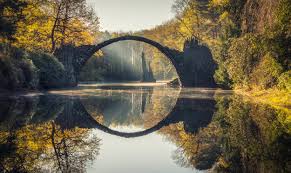
The Art of Landscape Photography
Landscape photography is a captivating and rewarding genre that allows photographers to capture the beauty and essence of the natural world. From majestic mountains to serene seascapes, landscapes offer endless opportunities for creativity and expression through the lens of a camera.
One of the key elements of landscape photography is composition. Photographers carefully frame their shots to create visually appealing images that draw viewers into the scene. Elements such as leading lines, symmetry, and the rule of thirds are commonly used to enhance the composition and create a sense of balance and harmony in the photograph.
Lighting plays a crucial role in landscape photography. The quality of light can dramatically affect the mood and atmosphere of a landscape image. Photographers often seek out the golden hour – the period shortly after sunrise or before sunset – when the light is soft, warm, and ideal for capturing stunning landscapes with rich colors and long shadows.
Patience is another virtue in landscape photography. Nature is unpredictable, and capturing that perfect moment may require waiting for hours or even days. Whether it’s waiting for the right light, weather conditions, or wildlife to appear in the frame, landscape photographers must be willing to invest time and effort to capture that magical shot.
Post-processing also plays a significant role in landscape photography. Editing software allows photographers to enhance colors, adjust exposure, sharpen details, and remove distractions from their images. While post-processing should be used judiciously to maintain the integrity of the scene, it can help photographers bring out the full potential of their landscape photographs.
Ultimately, landscape photography is not just about capturing beautiful scenery; it’s about telling a story and evoking emotions through visual storytelling. Whether it’s showcasing the grandeur of nature or highlighting its fragility, landscape photographers have the power to inspire awe, appreciation, and conservation through their art.
Mastering Landscape Photography: 8 Essential Tips for Stunning Shots
- 1. Use a tripod to keep your camera steady for sharp images.
- 2. Pay attention to lighting conditions for the best results.
- 3. Experiment with different angles and perspectives to capture unique shots.
- 4. Include a focal point in your composition to draw the viewer’s eye.
- 5. Consider using filters to enhance colors and reduce glare in your photos.
- 6. Take advantage of the golden hours – sunrise and sunset – for beautiful lighting.
- 7. Don’t be afraid to post-process your images to enhance their visual impact.
- 8. Practice patience and be prepared to wait for the perfect moment to capture your shot.
1. Use a tripod to keep your camera steady for sharp images.
To capture sharp and clear landscape images, it is essential to use a tripod to keep your camera steady. A tripod provides stability and eliminates the risk of camera shake, especially in low-light conditions or when using slower shutter speeds. By using a tripod, photographers can ensure that their images are crisp and free from blur, allowing them to capture the intricate details and textures of the landscape with precision.
2. Pay attention to lighting conditions for the best results.
When practicing landscape photography, it is crucial to pay close attention to lighting conditions for achieving the best results. The quality and direction of light can significantly impact the mood, colors, and overall appeal of your landscape images. By being mindful of the lighting, especially during the golden hour around sunrise and sunset when the light is soft and warm, photographers can capture stunning landscapes with dynamic contrasts and captivating shadows. Adjusting your shooting angle or waiting for the right lighting conditions can make a remarkable difference in the visual impact of your photographs, enhancing their beauty and storytelling potential.
3. Experiment with different angles and perspectives to capture unique shots.
To enhance your landscape photography skills, it is essential to experiment with different angles and perspectives to capture unique shots. By exploring various vantage points, such as shooting from low to the ground or finding elevated positions, you can discover new ways to frame your subjects and create visually engaging compositions. Changing your perspective allows you to showcase familiar landscapes in a fresh and innovative light, adding depth and interest to your photographs. Embrace experimentation to unlock the full creative potential of your landscape photography endeavors.
4. Include a focal point in your composition to draw the viewer’s eye.
Including a focal point in your composition is a crucial tip in landscape photography as it helps draw the viewer’s eye into the scene and creates visual interest. By incorporating a prominent subject or element in the foreground, midground, or background of your image, you can guide the viewer’s gaze and provide a point of focus that anchors the entire composition. Whether it’s a striking tree, a captivating rock formation, or a colorful flower, a well-chosen focal point adds depth and dimension to your photograph, making it more engaging and compelling for the viewer to explore.
5. Consider using filters to enhance colors and reduce glare in your photos.
When delving into landscape photography, consider utilizing filters to elevate the vibrancy of colors and minimize glare in your images. Filters such as polarizing filters can help enhance the saturation of colors, making them more vivid and impactful. Additionally, these filters are effective in reducing unwanted reflections and glare from surfaces like water or glass, resulting in clearer and more defined landscape shots. By incorporating filters into your photography gear, you can achieve more visually striking and professional-looking photos that truly capture the beauty of the natural world.
6. Take advantage of the golden hours – sunrise and sunset – for beautiful lighting.
To enhance the beauty of your landscape photographs, it is highly recommended to take advantage of the golden hours – sunrise and sunset – for exquisite lighting. During these magical moments, the sun’s angle creates soft, warm tones that cast a golden glow over the landscape, adding depth, texture, and a sense of enchantment to your images. The interplay of light and shadows during sunrise and sunset can transform an ordinary scene into a breathtaking masterpiece, capturing the essence and mood of the natural world in a truly captivating way.
7. Don’t be afraid to post-process your images to enhance their visual impact.
When it comes to landscape photography, tip number 7 advises not to shy away from post-processing your images to elevate their visual impact. Post-processing tools allow photographers to fine-tune their photos by adjusting colors, contrast, sharpness, and other elements to bring out the full potential of the scene captured. Enhancing your images through post-processing can help you create more compelling and visually striking photographs that convey the beauty and essence of the landscape in a captivating way.
8. Practice patience and be prepared to wait for the perfect moment to capture your shot.
To excel in landscape photography, it is essential to practice patience and be prepared to wait for the perfect moment to capture your shot. Whether it’s waiting for the ideal lighting conditions, the right weather, or the perfect composition to unfold before your eyes, patience is key in achieving that breathtaking landscape photograph. By taking the time to observe and anticipate the scene, photographers can ensure that they capture a moment that truly encapsulates the beauty and essence of the natural world.