
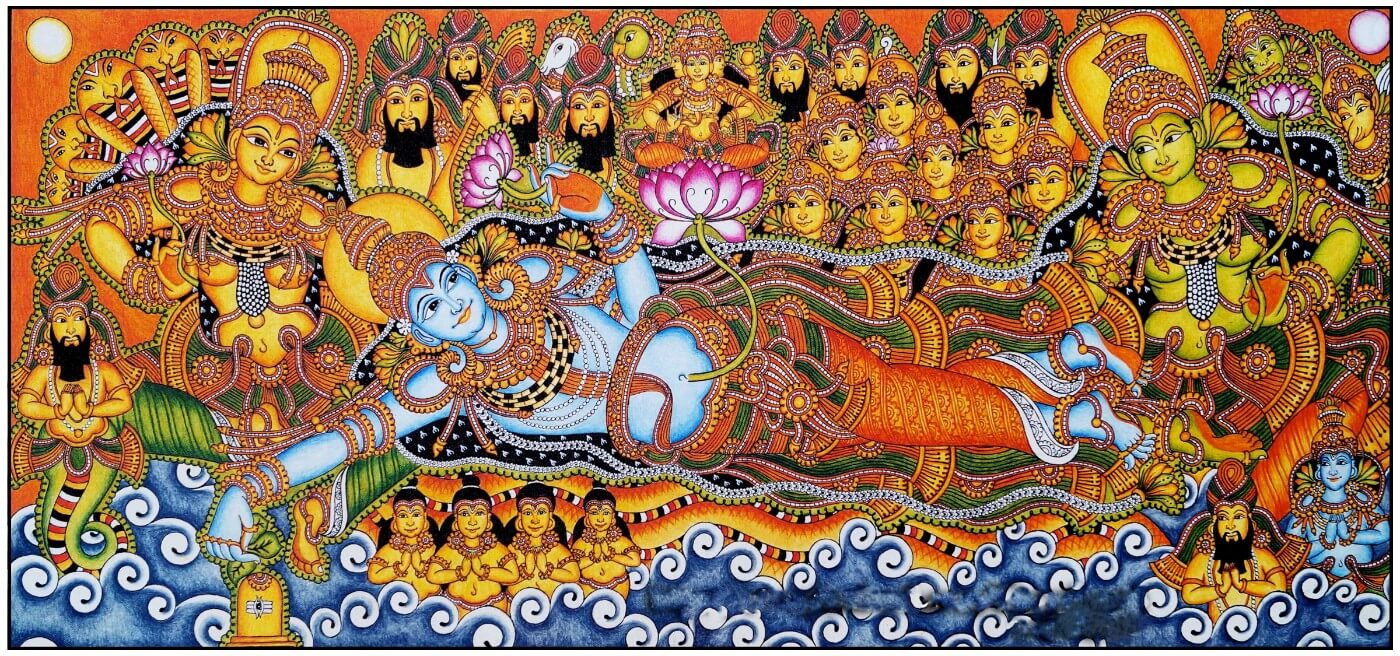
The Art of Mural Painting
Mural painting is a form of artistic expression that has been around for centuries, dating back to ancient civilizations where walls were used as canvases to tell stories, convey messages, and showcase creativity. Today, mural painting continues to be a popular and impactful art form that can be found in various public spaces, buildings, and urban landscapes.
One of the defining characteristics of mural painting is its scale. Murals are often large-scale artworks that cover entire walls or building facades, allowing artists to create immersive and visually striking compositions that captivate viewers and transform the surrounding environment.
From vibrant street art murals that brighten up city streets to intricate historical murals that adorn museum walls, mural painting encompasses a wide range of styles, themes, and techniques. Artists use a variety of mediums such as paint, mosaic tiles, and digital projections to bring their visions to life on a monumental scale.
Not only does mural painting serve as a form of artistic expression, but it also plays a significant role in community engagement and cultural preservation. Murals have the power to reflect local identities, histories, and values, serving as visual narratives that resonate with diverse audiences and contribute to the social fabric of neighborhoods and cities.
Furthermore, mural painting has the ability to inspire dialogue, provoke thought, and spark change. Many murals address social issues, promote activism, and celebrate cultural diversity, serving as powerful tools for advocacy and awareness-raising.
Whether created by renowned artists or local talents, mural paintings have the potential to leave a lasting impact on both individuals and communities. By transforming blank walls into vibrant works of art, mural painters continue to enrich our visual landscape and inspire us with their creativity and storytelling prowess.
6 Essential Tips for Creating Stunning Murals
- Prepare the wall surface by cleaning and priming it before painting.
- Sketch your design on the wall using chalk or pencil before starting to paint.
- Use high-quality acrylic or outdoor paint for durability and longevity.
- Consider the surrounding environment and lighting conditions when choosing colors.
- Apply multiple layers of paint to achieve depth and richness in your mural.
- Use appropriate brushes and tools for different techniques such as blending and detailing.
Prepare the wall surface by cleaning and priming it before painting.
To ensure a successful mural painting project, it is crucial to prepare the wall surface properly by cleaning and priming it before applying any paint. Cleaning the wall surface removes dirt, dust, and debris that can affect the adhesion of the paint and the overall quality of the mural. Additionally, priming the wall helps create a smooth and uniform surface for painting, allowing the colors to appear more vibrant and ensuring long-lasting durability. By taking the time to prepare the wall surface diligently, artists can set a solid foundation for their mural artwork to shine and withstand the test of time.
Sketch your design on the wall using chalk or pencil before starting to paint.
Before embarking on a mural painting project, it is essential to sketch your design on the wall using chalk or pencil as a preliminary step. This initial sketching process allows you to plan out the composition, proportions, and details of your mural before committing to paint. By outlining your design on the wall, you can make adjustments and corrections more easily, ensuring that the final artwork meets your vision and specifications. Sketching with chalk or pencil provides a helpful guideline for painting and helps you maintain control over the overall aesthetic of your mural.
Use high-quality acrylic or outdoor paint for durability and longevity.
When engaging in mural painting, it is essential to utilize high-quality acrylic or outdoor paint to ensure durability and longevity of the artwork. These types of paints are specifically formulated to withstand outdoor elements such as sunlight, rain, and wind, ensuring that the mural remains vibrant and intact for an extended period of time. By investing in quality paints, artists can create lasting and impactful murals that continue to inspire and beautify their surroundings for years to come.
Consider the surrounding environment and lighting conditions when choosing colors.
When engaging in mural painting, it is crucial to consider the surrounding environment and lighting conditions when selecting colors. The choice of colors can significantly impact how the mural interacts with its surroundings, whether it be a bustling city street or a quiet indoor space. By taking into account factors such as natural light, artificial lighting sources, and the overall atmosphere of the location, artists can ensure that their color choices enhance the visual impact of the mural and create a harmonious relationship with the environment in which it is situated.
Apply multiple layers of paint to achieve depth and richness in your mural.
To enhance the depth and richness of your mural, it is essential to apply multiple layers of paint. By layering different colors and tones, artists can create visual depth, texture, and dimension in their artwork. Building up layers of paint allows for subtle variations in shading and highlights, resulting in a more dynamic and visually engaging mural. This technique not only adds complexity to the composition but also brings a sense of realism and vibrancy to the overall design. Experimenting with various layering techniques can help artists achieve a more nuanced and captivating mural that captures the viewer’s attention and imagination.
Use appropriate brushes and tools for different techniques such as blending and detailing.
When engaging in mural painting, it is essential to utilize suitable brushes and tools tailored to specific techniques such as blending and detailing. The choice of brushes can greatly influence the outcome of the artwork, enabling artists to achieve desired effects and precision in their work. By selecting the right tools for each task, artists can enhance their ability to blend colors seamlessly and add intricate details that contribute to the overall quality and visual impact of the mural. Investing in high-quality brushes and tools designed for different painting techniques can elevate the artistic process and help artists bring their creative vision to life with finesse and skill.