
Exploring the Controversial Art of Hitler
Adolf Hitler, the infamous dictator of Nazi Germany, is known for his atrocities during World War II. However, many people are unaware that he had a passion for art before he turned to politics and war. Hitler’s artistic endeavors have sparked debate and controversy in the art world.
Hitler aspired to be a painter in his youth and applied to the Academy of Fine Arts Vienna twice but was rejected both times. His artistic style was traditional and lacked innovation, leading to criticism from art experts. Despite his rejection from art school, Hitler continued to paint throughout his life.
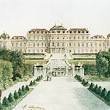
Hitler’s paintings mainly depicted landscapes, buildings, and scenes from his surroundings. His works were often described as mediocre and lacking depth or emotion. Some art historians suggest that his art reflected his conservative views and nationalist sentiments.
After rising to power as the leader of Nazi Germany, Hitler’s interest in art waned as he focused on military conquest and implementing his racist ideology. Many of his paintings were confiscated by the Allies after the war, while others remain in private collections or museums.
The debate over Hitler’s art continues today, with some arguing that it should be destroyed due to its association with a genocidal dictator, while others believe it should be preserved as a historical artifact. The ethical implications of displaying or selling Hitler’s art remain contentious.
Regardless of one’s opinion on Hitler’s art, it serves as a reminder of the complex relationship between creativity and morality. The legacy of Hitler as an artist will always be overshadowed by his heinous actions as a political leader, but it remains a subject of interest and controversy in the art world.
Exploring Hitler’s Art: Insights into His Early Life, Style, and Ethical Implications
- Provides insight into Hitler’s personal interests and aspirations before his political career.
- Offers a glimpse into the artistic style and techniques favored by Hitler during his youth.
- Serves as a historical record of Hitler’s early attempts at creative expression through painting.
- Contributes to the understanding of the psychological profile of one of history’s most notorious figures.
- Raises questions about the intersection of art, politics, and morality in the context of Hitler’s life.
- Prompts discussions on the ethical considerations surrounding the preservation and display of controversial art.
Exploring the Controversies and Challenges of Hitler’s Art
- Associated with a genocidal dictator
- Reflects conservative and nationalist sentiments
- Lacks artistic innovation and depth
- Controversial ethical implications of displaying or selling
- Tarnished by Hitler’s atrocities during World War II
- Subject to censorship and destruction due to its creator’s actions
- Raises questions about separating art from the artist
Provides insight into Hitler’s personal interests and aspirations before his political career.
Studying Hitler’s art provides valuable insight into his personal interests and aspirations before embarking on his notorious political career. Through his paintings, we can glimpse a different side of Hitler – a young artist with dreams of pursuing a creative path. Analyzing his artwork allows us to understand the influences, themes, and techniques that shaped his early artistic endeavors, shedding light on a lesser-known aspect of his life that ultimately influenced his worldview and actions as a political figure.
Offers a glimpse into the artistic style and techniques favored by Hitler during his youth.
Studying Hitler’s art offers a unique insight into the artistic preferences and techniques that shaped his early years. Through his paintings, we can glimpse the traditional style and themes that captured Hitler’s imagination as a young aspiring artist. By analyzing his works, art historians can better understand the influences and motivations behind his artistic choices, shedding light on a lesser-known aspect of Hitler’s life before he rose to power as a dictator.
Serves as a historical record of Hitler’s early attempts at creative expression through painting.
The art created by Hitler serves as a historical record of his early attempts at creative expression through painting. Despite the controversial nature of his works, they provide insight into his artistic aspirations and the influences that shaped his style before he became a prominent political figure. Studying Hitler’s art offers a glimpse into his mindset and interests during a time when he sought recognition in the art world, highlighting a lesser-known aspect of his life that contributes to our understanding of the complexities surrounding his persona.
Contributes to the understanding of the psychological profile of one of history’s most notorious figures.
Studying Hitler’s art contributes to the understanding of the psychological profile of one of history’s most notorious figures. Through his paintings, we can gain insights into Hitler’s mindset, emotions, and creative expression before he rose to power as a dictator. Analyzing his artistic style, subjects, and techniques may provide clues to his personality traits, influences, and worldview. By examining Hitler’s art, researchers and historians can delve deeper into the complexities of his psyche and potentially uncover hidden aspects of his character that influenced his actions and decisions later in life.
Raises questions about the intersection of art, politics, and morality in the context of Hitler’s life.
The exploration of Hitler’s art raises profound questions about the intricate intersection of art, politics, and morality within the context of his life. By delving into Hitler’s artistic pursuits alongside his rise to power and the atrocities committed during his regime, we are compelled to confront the complexities of how creativity, ideology, and ethical considerations intertwine. Analyzing Hitler’s art prompts us to reflect on the role of artists in society, the influence of political beliefs on artistic expression, and the moral implications of appreciating or condemning works created by individuals associated with such dark chapters in history.
Prompts discussions on the ethical considerations surrounding the preservation and display of controversial art.
The pro of Hitler’s art prompts discussions on the ethical considerations surrounding the preservation and display of controversial art. By engaging with Hitler’s artistic works, individuals are compelled to grapple with questions about the appropriate treatment of art created by morally reprehensible figures. This debate encourages reflection on the balance between acknowledging historical significance and condemning the actions of the artist, sparking important conversations about how society should approach and interpret contentious artworks within cultural institutions.
Associated with a genocidal dictator
The primary con of Hitler’s art is its association with a genocidal dictator responsible for the atrocities of World War II. The mere connection between Hitler’s artistic creations and his role in perpetrating heinous crimes against humanity casts a dark shadow over his work, raising ethical dilemmas about the appropriateness of displaying or preserving such art. The moral repugnance of Hitler’s actions taints any appreciation that might be derived from his artwork, making it challenging for many to separate the artist from the despot he became.
Reflects conservative and nationalist sentiments
The art created by Hitler reflects conservative and nationalist sentiments, showcasing a traditional style that aligns with his political beliefs. His paintings often depict landscapes and buildings in a realistic and conventional manner, lacking the innovation and emotional depth typically associated with more progressive artistic movements. This conservative approach to art mirrors Hitler’s rigid adherence to traditional values and his nationalist fervor, providing insight into his worldview and ideological convictions through the lens of his artistic expression.
Lacks artistic innovation and depth
One significant con of Hitler’s art is its lack of artistic innovation and depth. Critics often point out that his paintings, mainly depicting landscapes and buildings, lack originality and fail to evoke meaningful emotions or messages. Hitler’s artistic style was considered conventional and uninspired, lacking the creativity and depth that characterize truly impactful artworks. This limitation in artistic innovation diminishes the overall artistic merit and significance of his works, reinforcing the criticism of his art as superficial and unremarkable.
Controversial ethical implications of displaying or selling
The controversial ethical implications of displaying or selling Hitler’s art stem from the dilemma of separating the artistic merit of the works from the abhorrent actions of the artist. Critics argue that showcasing or profiting from Hitler’s art could inadvertently glorify or normalize his image, perpetuating a dangerous narrative. Furthermore, there are concerns about potentially offending and causing distress to those who were victims of the atrocities committed under Hitler’s regime. The decision to exhibit or trade in Hitler’s art raises complex questions about historical responsibility, censorship, and the boundaries of artistic freedom in confronting dark chapters of human history.
Tarnished by Hitler’s atrocities during World War II
The art created by Hitler has been forever tarnished by his atrocities during World War II. Despite any technical skill or artistic merit his works may possess, they are overshadowed by the dark shadow of the Holocaust and the millions of lives lost due to his regime’s heinous actions. The association of Hitler’s art with such unspeakable crimes against humanity renders it a chilling reminder of the depths to which human depravity can sink, casting a permanent stain on his artistic legacy.
Subject to censorship and destruction due to its creator’s actions
Art created by Hitler is often subject to censorship and destruction due to the actions of its creator. The association of Hitler’s art with his role as a dictator responsible for heinous crimes during World War II has led to ethical dilemmas regarding the preservation and display of his work. Many argue that promoting or showcasing Hitler’s art could be seen as glorifying or legitimizing his ideologies, while others believe that destroying it erases a significant part of history. This conundrum highlights the complex interplay between art, history, and morality, raising questions about how society should engage with artworks created by individuals whose actions are morally reprehensible.
Raises questions about separating art from the artist
The controversy surrounding Hitler’s art raises important questions about the ethical dilemma of separating art from the artist. Can we appreciate or critique artwork created by a morally reprehensible individual without endorsing or condoning their actions? The debate challenges us to consider whether an artist’s personal beliefs and actions should influence our perception and evaluation of their artistic creations. It forces us to confront the complexities of art, morality, and historical context, prompting reflection on the responsibility of viewers and collectors in engaging with controversial art.