
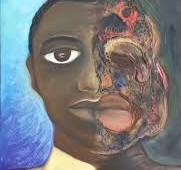
The Beauty and Power of Black Art
Black art, also known as African American art or Afrocentric art, encompasses a rich and diverse cultural heritage that reflects the experiences, struggles, and triumphs of Black people throughout history. From traditional African art forms to contemporary expressions of identity and activism, black art has played a significant role in shaping artistic movements and challenging societal norms.
One of the defining characteristics of black art is its ability to convey powerful messages about race, identity, social justice, and resilience. Through vibrant colors, bold imagery, and symbolic motifs, black artists often explore themes such as racial inequality, cultural heritage, spirituality, and the beauty of Blackness.
Historically marginalized within the mainstream art world, black artists have used their creativity to reclaim their narratives and celebrate their cultural heritage. From the Harlem Renaissance to the Black Arts Movement to today’s contemporary art scene, black artists have made significant contributions to the artistic landscape.
Black art is not only a form of creative expression but also a tool for empowerment and social change. By highlighting issues of racism, discrimination, and inequality through their work, black artists challenge viewers to confront uncomfortable truths and engage in important conversations about race relations in society.
Furthermore, black art serves as a source of inspiration and pride for Black communities around the world. By showcasing diverse perspectives and experiences through visual arts, music, literature, dance, and other mediums, black artists continue to enrich our cultural tapestry and foster greater understanding among people of all backgrounds.
In conclusion, black art is a testament to the resilience, creativity, and beauty of Black culture. It serves as a powerful form of expression that captures the essence of Black experiences while advocating for social justice and equality. As we continue to appreciate and support black artists and their work, we contribute to a more inclusive and diverse artistic landscape that celebrates the richness of human diversity.
7 Ways Black Art Enriches Culture, Empowers Voices, and Inspires Change
- Celebrates Black culture and heritage
- Empowers Black artists to share their narratives
- Challenges societal norms and promotes diversity
- Addresses important social issues such as racism and inequality
- Inspires dialogue and understanding across different communities
- Provides a platform for marginalized voices to be heard
- Contributes to a more inclusive and diverse art world
Challenges Facing Black Artists: Navigating Underrepresentation, Stereotypes, and Artistic Barriers
- Underrepresentation in mainstream art institutions
- Limited access to resources and opportunities for black artists
- Stereotyping and marginalization of black art as ‘ethnic’ or ‘other’
- Challenges in gaining recognition and visibility in the art world
- Struggles with appropriation and exploitation of black artistic expressions
- Pressure to conform to certain themes or styles associated with black art
- Difficulty in breaking through established artistic norms and expectations
Celebrates Black culture and heritage
Black art celebrates the richness and diversity of Black culture and heritage through vibrant expressions of creativity and identity. By showcasing traditions, histories, and experiences unique to the Black community, black art not only preserves cultural heritage but also empowers individuals to embrace their roots with pride. Through visual representations, storytelling, music, and dance, black artists honor the resilience, beauty, and contributions of Black people throughout history, fostering a sense of unity and connection among diverse audiences.
Empowers Black artists to share their narratives
Black art empowers Black artists to share their narratives authentically and unapologetically. By providing a platform for self-expression and storytelling, black art allows artists to reclaim their voices, identities, and histories that have often been marginalized or misrepresented. Through their work, Black artists can communicate their lived experiences, cultural heritage, and perspectives on social issues, fostering a deeper understanding and appreciation of the diversity and richness of Black culture. This empowerment not only amplifies the voices of Black artists but also inspires audiences to engage with and learn from the powerful stories and perspectives shared through black art.
Challenges societal norms and promotes diversity
Black art challenges societal norms and promotes diversity by providing a platform for marginalized voices to be heard and celebrated. Through their unique perspectives and experiences, black artists disrupt traditional narratives, spark important conversations, and offer new ways of understanding the world. By showcasing diverse representations of culture, identity, and history, black art not only enriches the artistic landscape but also fosters a more inclusive society where different viewpoints are valued and celebrated.
Addresses important social issues such as racism and inequality
Black art plays a crucial role in addressing important social issues such as racism and inequality through its powerful visual narratives and symbolic representations. By shedding light on the systemic injustices faced by Black communities, black artists use their creative expressions to challenge societal norms, provoke critical conversations, and advocate for change. Through their artwork, they amplify marginalized voices, document historical struggles, and inspire viewers to confront and dismantle oppressive structures that perpetuate racism and inequality.
Inspires dialogue and understanding across different communities
Black art serves as a powerful catalyst for inspiring dialogue and fostering understanding across different communities. Through its diverse and thought-provoking representations of race, identity, and social issues, black art encourages individuals from various backgrounds to engage in meaningful conversations and gain insights into experiences beyond their own. By promoting empathy, cultural exchange, and mutual respect, black art bridges divides, cultivates empathy, and promotes unity among diverse communities. This pro of black art highlights its ability to transcend barriers and create connections that promote a more inclusive and harmonious society.
Provides a platform for marginalized voices to be heard
Black art provides a vital platform for marginalized voices to be heard and amplified. Through their creative expressions, Black artists have the opportunity to share their unique perspectives, experiences, and struggles with the world. By showcasing the narratives of those who have been historically silenced or overlooked, black art challenges societal norms and fosters empathy and understanding among audiences. This platform not only empowers marginalized individuals to reclaim their stories but also sparks important conversations about representation, identity, and social justice in our communities.
Contributes to a more inclusive and diverse art world
Black art plays a crucial role in contributing to a more inclusive and diverse art world by amplifying the voices, perspectives, and experiences of Black artists. Through their unique artistic expressions, black artists challenge traditional narratives, broaden cultural representation, and highlight the richness of Black culture. By showcasing a wide range of styles, themes, and mediums that are often underrepresented in mainstream art spaces, black art not only enriches the artistic landscape but also fosters greater diversity and understanding within the global art community. Embracing black art helps to break down barriers, promote inclusivity, and create a more vibrant and equitable environment where artists from all backgrounds can thrive and be celebrated for their contributions to the world of art.
Underrepresentation in mainstream art institutions
One significant con of black art is the pervasive underrepresentation of Black artists in mainstream art institutions. Despite the rich and diverse contributions of Black artists to the art world, many museums, galleries, and art institutions have historically marginalized or overlooked their work. This lack of representation not only limits the exposure and recognition that Black artists receive but also perpetuates systemic inequalities within the art industry. By excluding or minimizing the presence of Black art in mainstream spaces, these institutions fail to fully reflect the diversity and complexity of artistic expression, depriving audiences of valuable perspectives and narratives that deserve to be celebrated and shared on a broader platform.
Limited access to resources and opportunities for black artists
Limited access to resources and opportunities for black artists is a significant con that hinders the growth and recognition of their talents within the art world. Structural barriers such as lack of funding, representation, mentorship, and exhibition opportunities often restrict the ability of black artists to showcase their work, develop their skills, and reach wider audiences. This systemic inequality not only limits the artistic diversity and innovation within the industry but also perpetuates existing power dynamics that marginalize black voices and perspectives. Efforts to address these disparities through increased support, advocacy, and inclusive policies are crucial in leveling the playing field for black artists and ensuring their contributions are valued and celebrated on a broader scale.
Stereotyping and marginalization of black art as ‘ethnic’ or ‘other’
Stereotyping and marginalization of black art as ‘ethnic’ or ‘other’ is a significant con that undermines the richness and complexity of Black artistic expression. When black art is pigeonholed into categories like ‘ethnic’ or ‘other,’ it perpetuates harmful stereotypes and reinforces the idea that Black art is separate from mainstream art. This labeling can limit the visibility and recognition of black artists, preventing their work from receiving the attention and appreciation it deserves. By reducing black art to mere tokens of diversity, it overlooks the depth, creativity, and cultural significance embedded within these artistic expressions. It is essential to challenge these stereotypes and embrace black art as an integral part of the broader artistic landscape, deserving of equal respect and recognition.
Challenges in gaining recognition and visibility in the art world
One significant challenge faced by Black artists is the struggle to gain recognition and visibility in the predominantly white-centric art world. Despite producing exceptional and thought-provoking work, many Black artists often encounter systemic barriers, biases, and lack of representation within galleries, museums, and art institutions. The historical underrepresentation of Black artists in mainstream art spaces limits their opportunities for exposure, sales, and critical acclaim, making it difficult for them to establish a sustainable career and reach a wider audience. This lack of visibility not only hinders the artistic growth and success of Black artists but also perpetuates inequalities within the art industry, highlighting the ongoing need for greater diversity, inclusivity, and support for marginalized voices in the arts.
Struggles with appropriation and exploitation of black artistic expressions
One significant con associated with black art is the ongoing struggle with appropriation and exploitation of black artistic expressions. Black artists often face the challenge of having their cultural heritage and creative works co-opted or misrepresented by individuals or entities outside of their community. This exploitation can lead to the dilution of authentic black narratives, erasure of historical significance, and perpetuation of harmful stereotypes. The issue of cultural appropriation in black art highlights the need for greater awareness, respect, and ethical considerations when engaging with and representing black artistic expressions.
Pressure to conform to certain themes or styles associated with black art
One significant con of black art is the pressure that black artists may face to conform to certain themes or styles that are traditionally associated with black art. This expectation can limit artistic freedom and creativity, as artists may feel constrained to produce work that fits within preconceived notions of what black art should look like. As a result, artists may struggle to explore new concepts, experiment with different techniques, or express their individuality fully. This pressure to conform can stifle artistic growth and innovation, ultimately hindering the diversity and richness of black artistic expression.
Difficulty in breaking through established artistic norms and expectations
One significant challenge faced by black artists is the difficulty in breaking through established artistic norms and expectations. The art world has traditionally been dominated by Eurocentric standards and narratives, making it challenging for black artists to gain recognition and acceptance for their unique perspectives and styles. Breaking through these entrenched norms often requires black artists to navigate institutional barriers, confront stereotypes, and push boundaries in order to assert their voices and experiences within a predominantly white-dominated art scene. Despite these obstacles, many black artists continue to challenge the status quo, redefine artistic conventions, and pave the way for greater diversity and inclusivity in the art world.