
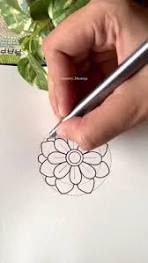
The Beauty and Meaning of Mandala Art
Mandala art is a form of intricate and mesmerizing artwork that has been practiced for centuries in various cultures around the world. The word “mandala” originates from Sanskrit, meaning “circle,” and represents wholeness, unity, and harmony.
One of the most distinctive features of mandala art is its circular design, often with symmetrical patterns radiating from the center outward. These intricate patterns can be created using various materials such as colored sand, paint, chalk, or digital tools.
While mandalas are visually captivating, they also hold deep spiritual and symbolic meanings. In many traditions, mandalas are used as a tool for meditation and self-discovery. The process of creating or contemplating a mandala is believed to help individuals focus their minds, achieve inner peace, and connect with their inner selves.
Each element within a mandala carries significance. For example, circles represent unity and eternity, squares symbolize stability and balance, triangles signify energy and transformation, while lotus flowers embody purity and enlightenment.
Creating a mandala can be a meditative practice in itself. Artists often start from the center of the circle and work outward, allowing the design to evolve organically as they move through different shapes and colors. The repetitive nature of creating intricate patterns can be calming and therapeutic.
Today, mandala art has gained popularity not only as a spiritual practice but also as a form of creative expression. Artists around the world incorporate mandala designs into various mediums such as paintings, tattoos, jewelry, home decor, and even digital art.
Whether you are drawn to mandalas for their aesthetic beauty or spiritual significance, exploring this ancient art form can be a rewarding journey that enhances your creativity and mindfulness.
Mastering Mandala Art: 6 Tips for Creating Beautiful and Meaningful Designs
- Start with simple designs and gradually progress to more intricate ones.
- Use a compass and ruler to create precise geometric shapes in your mandalas.
- Experiment with different colors and color combinations to make your mandalas visually appealing.
- Practice mindfulness while creating mandalas to enhance focus and relaxation.
- Add personal touches or symbols that hold meaning for you to make your mandalas unique.
- Don’t be afraid to make mistakes, as they can lead to unexpected and creative outcomes in your mandala art.
Start with simple designs and gradually progress to more intricate ones.
When delving into the world of mandala art, it is beneficial to begin with simple designs before advancing to more intricate patterns. Starting with straightforward shapes and patterns allows artists to familiarize themselves with the fundamental elements of mandalas, such as symmetry and balance. As proficiency grows, artists can gradually challenge themselves with more complex designs, honing their skills and creativity along the way. This gradual progression not only builds confidence but also enhances the artist’s ability to create captivating and meaningful mandalas.
Use a compass and ruler to create precise geometric shapes in your mandalas.
To enhance the precision and symmetry of your mandala art, consider using a compass and ruler to create precise geometric shapes. By carefully measuring and drawing circles, triangles, squares, and other geometric elements, you can achieve a more structured and harmonious composition in your mandalas. This technique not only adds visual appeal but also allows for a deeper exploration of mathematical patterns and symbolism within your artwork.
Experiment with different colors and color combinations to make your mandalas visually appealing.
Experimenting with different colors and color combinations is a valuable tip to enhance the visual appeal of your mandalas. By exploring a diverse range of hues and experimenting with how they interact within the intricate patterns of your mandala design, you can create captivating and harmonious compositions. Whether you opt for bold, contrasting colors to make elements pop or subtle, analogous shades for a soothing effect, playing with color is a creative way to infuse personality and vibrancy into your mandala artwork.
Practice mindfulness while creating mandalas to enhance focus and relaxation.
Practicing mindfulness while creating mandalas can significantly enhance focus and relaxation. By immersing yourself in the present moment and paying attention to each stroke and detail of your mandala design, you can cultivate a sense of calmness and clarity. Mindfulness allows you to let go of distractions and worries, enabling you to fully engage in the creative process. As you concentrate on shaping intricate patterns and colors, you may find that your mind becomes more centered and peaceful, leading to a meditative state that promotes both artistic expression and inner tranquility.
Add personal touches or symbols that hold meaning for you to make your mandalas unique.
Adding personal touches or symbols that hold special meaning to you is a wonderful way to infuse your mandalas with uniqueness and significance. By incorporating elements that resonate with your personal experiences, beliefs, or aspirations, you can create mandala art that truly reflects your individuality and inner world. Whether it’s a favorite symbol, a meaningful word, or a representation of something significant in your life, these personal touches can elevate your mandalas to be not just beautiful artworks but also powerful reflections of who you are and what matters most to you.
Don’t be afraid to make mistakes, as they can lead to unexpected and creative outcomes in your mandala art.
When creating mandala art, it is important not to be afraid of making mistakes, as they can often lead to unexpected and creative outcomes. Embracing imperfections in your work can spark new ideas and unique designs that you may not have considered otherwise. By allowing yourself the freedom to explore and experiment, you open up possibilities for artistic growth and discovery in your mandala creations. Remember that mistakes are not failures but rather opportunities for innovation and self-expression in your art.