
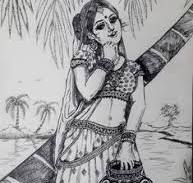
The Beauty of Art Drawing
Art drawing is a timeless form of expression that has captivated people for centuries. From the intricate sketches of Leonardo da Vinci to the bold lines of Picasso, drawing has the power to convey emotions, tell stories, and capture the beauty of the world around us.
One of the most appealing aspects of art drawing is its accessibility. All you need is a pencil and a piece of paper to create something truly remarkable. Whether you’re a seasoned artist or just starting out, drawing allows you to unleash your creativity and explore different techniques and styles.
Through drawing, artists can experiment with shading, perspective, composition, and more to bring their ideas to life. It’s a versatile medium that can be used to create realistic portraits, abstract designs, landscapes, or anything else that inspires you.
Art drawing also offers a sense of mindfulness and relaxation. As you focus on putting pen to paper, your mind becomes fully immersed in the creative process, allowing you to escape from the stresses of daily life and enter a state of flow where time seems to stand still.
Moreover, drawing can be a form of communication without words. It enables artists to convey complex emotions and concepts through visual imagery, making it a universal language that transcends cultural barriers.
Whether you’re sketching in a sketchbook, doodling on a napkin, or creating digital art on a tablet, art drawing is a versatile and rewarding practice that can bring joy and fulfillment to both the artist and the viewer.
So pick up your pencil, let your imagination run wild, and discover the endless possibilities that art drawing has to offer!
Top 8 Frequently Asked Questions About Art Drawing: Materials, Techniques, and More
- What materials do I need to start art drawing?
- How can I improve my drawing skills?
- What are some common drawing techniques?
- How do I choose the right paper for drawing?
- Are there online resources for learning art drawing?
- What are the different types of pencils used in art drawing?
- How can I find inspiration for my drawings?
- Is it necessary to have formal training to become a skilled artist in drawing?
What materials do I need to start art drawing?
To start art drawing, you will need a few essential materials to unleash your creativity. The basic supplies include quality drawing paper or sketchbooks, a set of pencils ranging from H to B grades for different shades and effects, a good eraser for corrections, and a pencil sharpener to keep your pencils ready for use. Additionally, having a blending stump or tortillon can help you create smooth transitions between shades. If you prefer adding color to your drawings, colored pencils or markers can be great additions to your toolkit. Remember, the key is to start simple and gradually expand your materials as you explore different techniques and styles in art drawing.
How can I improve my drawing skills?
Improving drawing skills is a common goal for many aspiring artists. To enhance your drawing abilities, consistent practice is key. Dedicate time each day to sketching, experimenting with different techniques, and studying various art styles to broaden your artistic repertoire. Seeking feedback from experienced artists or instructors can provide valuable insights and constructive criticism to help you identify areas for improvement. Additionally, exploring tutorials, attending workshops, and participating in drawing challenges can offer new perspectives and inspiration to elevate your skills. Remember that growth takes time and patience, so stay motivated, embrace challenges, and continue to push yourself creatively to see progress in your drawing journey.
What are some common drawing techniques?
When it comes to art drawing, there are several common techniques that artists often use to create captivating and expressive pieces. One popular technique is shading, where artists use varying degrees of pressure with their drawing tool to create light and shadow, adding depth and dimension to their artwork. Another common technique is cross-hatching, which involves drawing intersecting lines to create texture and value. Artists also frequently use blending, where they smudge or layer colors together to achieve smooth transitions and gradients. Additionally, techniques like stippling (creating patterns using dots), contour drawing (drawing the outline of an object without looking at the paper), and perspective drawing (creating the illusion of depth on a two-dimensional surface) are commonly employed by artists to enhance their drawings and evoke different effects. Mastering these techniques can help artists bring their creative visions to life with skill and precision.
How do I choose the right paper for drawing?
When it comes to choosing the right paper for drawing, there are several factors to consider to ensure your artwork turns out as intended. The weight and texture of the paper play a crucial role in how your drawing materials interact with the surface. For detailed work with graphite or colored pencils, a smooth paper with a fine tooth is ideal, allowing for precise lines and blending. On the other hand, if you prefer working with charcoal or pastels that require more layering and blending, a heavier, textured paper can provide better grip and depth to your artwork. Experimenting with different types of paper will help you find the perfect match for your preferred drawing techniques and desired effects.
Are there online resources for learning art drawing?
For those seeking to enhance their art drawing skills, there are abundant online resources available for learning and improving. From interactive courses and tutorials on platforms like Skillshare, Udemy, and Coursera to free instructional videos on YouTube channels dedicated to art education, aspiring artists have a wealth of options to explore. Additionally, many art institutions and professional artists offer virtual workshops and webinars that cover various drawing techniques and styles. These online resources not only provide convenience and flexibility but also foster a sense of community among artists worldwide, making it easier than ever to access valuable guidance and inspiration for honing one’s drawing abilities.
What are the different types of pencils used in art drawing?
When it comes to art drawing, artists often wonder about the different types of pencils they can use to create their masterpieces. The most common types of pencils used in art drawing include graphite pencils, charcoal pencils, colored pencils, and mechanical pencils. Graphite pencils are versatile tools that come in varying degrees of hardness and are ideal for creating detailed and precise lines. Charcoal pencils offer rich, bold marks and are great for creating expressive and dramatic drawings. Colored pencils allow artists to add vibrant hues to their artwork, while mechanical pencils provide a consistent line width for technical drawings and sketches. Each type of pencil offers unique characteristics that cater to different artistic styles and preferences, giving artists a wide range of options to explore and experiment with in their creative endeavors.
How can I find inspiration for my drawings?
Finding inspiration for your drawings can be a common challenge for artists of all levels. One effective way to spark creativity is to observe the world around you with a curious and open mind. Take time to explore nature, visit art galleries, read books, watch films, or engage in conversations with other artists. Experimenting with different mediums, techniques, and styles can also help ignite new ideas. Keeping a sketchbook handy to jot down thoughts, sketches, or interesting observations can be a great way to capture inspiration on the go. Remember that inspiration can come from unexpected places, so stay curious and open to new experiences to fuel your artistic journey.
Is it necessary to have formal training to become a skilled artist in drawing?
The question of whether formal training is necessary to become a skilled artist in drawing is a common one among aspiring artists. While formal training can provide valuable guidance, techniques, and feedback from experienced instructors, it is not always a strict requirement for developing drawing skills. Many successful artists have honed their craft through self-study, practice, experimentation, and dedication. Ultimately, what matters most is passion, perseverance, and a willingness to continuously learn and improve. Whether through formal education or independent exploration, aspiring artists can cultivate their talents and express their unique artistic voice in the world of drawing.