
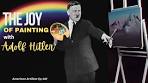
Exploring the Controversial Art of Hitler
Adolf Hitler, known primarily for his role as the dictator of Nazi Germany during World War II, was also a failed artist. Before he rose to power and unleashed a reign of terror, Hitler had aspirations of becoming a professional artist.
Hitler’s artistic endeavors began in his youth, where he showed an interest in painting and drawing. He applied to the Academy of Fine Arts Vienna twice but was rejected both times, which dealt a significant blow to his artistic ambitions. Despite this setback, Hitler continued to create art throughout his life, producing mostly landscapes, buildings, and portraits.
While Hitler’s artistic skills were mediocre at best, his works do offer some insight into his personality and worldview. His paintings often depicted romanticized scenes of idyllic landscapes and architecture, reflecting a nostalgic longing for a bygone era. Some art historians have noted a sense of loneliness and isolation in Hitler’s art, suggesting that it may have served as an emotional outlet for him.
However, it is essential to approach Hitler’s art with caution and skepticism due to its association with one of history’s most notorious figures. Many argue that analyzing or appreciating Hitler’s art risks glorifying or humanizing him inappropriately. As such, discussions about Hitler’s art should be accompanied by critical reflection on the context in which it was created.
Today, some of Hitler’s artworks are preserved in museums and private collections around the world. While they may hold historical significance as artifacts from the life of a dictator, they continue to spark debate about the intersection of art, politics, and morality.
In conclusion, exploring Hitler’s art can provide valuable insights into the complexities of human creativity and expression. However, it is crucial to approach such exploration with sensitivity and awareness of the ethical implications surrounding the work of a figure like Adolf Hitler.
Exploring Hitler’s Art: Style, Rejection, Value, Collection, Collectors, and Relationship with Art
- What was Hitler’s art style?
- Why was Hitler’s art rejected?
- How much is Hitler’s autograph worth?
- What happened to Hitler’s art collection?
- Who was Hitler’s art collector?
- What was Hitler’s relationship with art?
What was Hitler’s art style?
Adolf Hitler’s art style can be described as traditional and academic, with influences from late 19th-century and early 20th-century European art movements. His paintings often featured realistic depictions of landscapes, buildings, and figures, showcasing a preference for detailed and precise brushwork. Hitler’s art style was characterized by a conservative approach, lacking in originality or innovation. While he attempted to capture a sense of romanticism and nostalgia in his works, his technical skills fell short of achieving artistic mastery. Overall, Hitler’s art style reflects a conventional and derivative aesthetic that failed to leave a lasting impact on the art world.
Why was Hitler’s art rejected?
Adolf Hitler’s art was rejected primarily due to his lack of technical skill and artistic talent. When he applied to the Academy of Fine Arts Vienna, where he sought formal training as an artist, his paintings were deemed mediocre and lacking in originality. The academy’s admissions committee found Hitler’s work to be unimpressive, with deficiencies in composition, perspective, and overall execution. Additionally, Hitler’s artistic style did not align with the academic standards and trends of the time, further contributing to the rejection of his art. These factors combined led to the rejection of Hitler’s art and ultimately shattered his dream of pursuing a career as a professional artist.
How much is Hitler’s autograph worth?
The value of Adolf Hitler’s autograph is a subject of much debate and controversy among collectors and historians. Due to the stigma associated with Hitler’s name and the atrocities committed during his time in power, his autograph is considered highly controversial and often viewed with disdain. While some collectors may be interested in acquiring Hitler’s autograph for historical or morbid curiosity reasons, many auction houses and reputable dealers refuse to sell items bearing his signature due to ethical considerations. As such, the monetary value of Hitler’s autograph can vary widely depending on the context in which it is being sold, with some rare pieces fetching significant sums at private auctions while others struggle to find buyers willing to engage with such a dark chapter of history.
What happened to Hitler’s art collection?
After Adolf Hitler’s death in 1945, his art collection faced a tumultuous fate. Much of his collection was looted by Allied forces during World War II and later recovered and returned to their rightful owners or museums. Some of the artworks were destroyed or lost during the chaos of the war. The remaining pieces that were not confiscated or destroyed have since been dispersed among various museums, private collectors, and institutions around the world. Hitler’s art collection continues to be a subject of interest and controversy, with ongoing efforts to trace the provenance of each artwork and ensure its proper preservation and display.
Who was Hitler’s art collector?
One of Hitler’s most prominent art collectors was Hildebrand Gurlitt, a German art dealer who operated during the Nazi era. Gurlitt was known for acquiring artworks for Hitler’s planned Führermuseum in Linz, Austria, which was intended to showcase art plundered by the Nazis. Gurlitt played a significant role in the looting and trafficking of valuable artworks during World War II, and his collection included pieces confiscated from Jewish collectors and institutions. The discovery of Gurlitt’s extensive art collection in 2012 sparked international attention and raised questions about the provenance and ethical implications of owning such works with ties to Nazi looting practices.
What was Hitler’s relationship with art?
Adolf Hitler’s relationship with art was complex and deeply intertwined with his personal ambitions and frustrations. Despite his failed attempts to gain acceptance into the Academy of Fine Arts Vienna, Hitler continued to pursue art throughout his life, producing paintings that predominantly focused on landscapes, buildings, and portraits. His artistic endeavors reflected a nostalgic longing for a romanticized past and often conveyed a sense of isolation and melancholy. While Hitler’s art offers a glimpse into his creative expression and emotional state, it is essential to approach it with caution due to its association with one of history’s most infamous figures. Discussions about Hitler’s relationship with art raise questions about the intersection of creativity, ideology, and historical context, prompting critical reflection on the complexities of artistic production in the shadow of tyranny.