
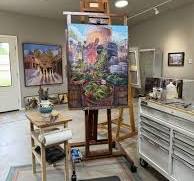
The Beauty of Art Studios
Art studios are sacred spaces where creativity flourishes and artistic visions come to life. These spaces serve as the sanctuary for artists, providing them with the environment and tools necessary to unleash their imagination and create masterpieces.
Walking into an art studio is like stepping into a different world – a world filled with colors, textures, and endless possibilities. The smell of paint lingers in the air, canvases line the walls, and brushes of all sizes wait patiently to be picked up and used.
Artists often spend hours in their studios, immersed in their work, letting their emotions guide their hands as they paint, sculpt, or draw. It is in these moments of solitude and concentration that true magic happens – when ideas flow freely and creativity knows no bounds.
Art studios come in all shapes and sizes, reflecting the unique personalities and preferences of the artists who inhabit them. Some studios are messy and chaotic, with paint splattered on every surface, while others are organized and serene, providing a sense of calm amidst the creative chaos.
Regardless of their appearance, art studios are always filled with energy and passion – a reflection of the artist’s soul poured out onto canvas or sculpture. They are places where dreams take shape, where struggles are overcome, and where beauty is born.
So next time you step into an art studio, take a moment to appreciate the magic that happens within its walls. It is a place where creativity thrives, where imaginations run wild, and where art comes alive in all its glory.
Frequently Asked Questions: Setting Up and Optimizing Your Art Studio
- What is an art studio?
- How do I set up my own art studio?
- What are the essential tools and materials needed in an art studio?
- How can I find a suitable location for my art studio?
- What are some tips for organizing and decorating an art studio?
- How do I create a conducive environment for creativity in my art studio?
- Are there any safety considerations to keep in mind when setting up an art studio?
- Can I use my home space as an art studio, or should I rent a separate space?
- What are some common challenges artists face when working in their studios?
What is an art studio?
An art studio is a dedicated space where artists create, experiment, and bring their artistic visions to life. It serves as a sanctuary for creativity, providing artists with the necessary tools and environment to express themselves through various mediums such as painting, sculpture, drawing, or mixed media. In an art studio, artists can immerse themselves in their work, allowing their ideas to flow freely and their imagination to flourish. It is a place where inspiration strikes, ideas are born, and artistic masterpieces take shape.
How do I set up my own art studio?
Setting up your own art studio is an exciting endeavor that requires careful planning and consideration. To create a space where your creativity can truly flourish, start by selecting a room with ample natural light and ventilation to inspire your work. Invest in essential art supplies such as paints, brushes, easels, and a sturdy work surface to support your artistic process. Organize your studio in a way that suits your workflow, with designated areas for creating, storing materials, and displaying finished pieces. Personalize the space with inspiring artwork, plants, and other decor that reflects your artistic style. Finally, make sure to maintain a clean and organized studio environment to enhance productivity and focus during your creative sessions.
What are the essential tools and materials needed in an art studio?
When setting up an art studio, it is essential to have the right tools and materials to support your creativity and artistic endeavors. Some of the essential tools and materials needed in an art studio include high-quality paints (acrylics, oils, watercolors), a variety of brushes in different sizes and shapes, canvases or paper for creating artwork, drawing pencils and erasers, palette knives for mixing colors, a palette for holding and mixing paint, easels for supporting your work at a comfortable height, and proper lighting to illuminate your workspace. Additionally, having storage solutions such as drawers or shelves to organize your supplies can help keep your studio tidy and efficient. By having these essential tools and materials on hand, artists can fully immerse themselves in their creative process and bring their artistic visions to life.
How can I find a suitable location for my art studio?
Finding a suitable location for your art studio is a crucial step in creating a productive and inspiring workspace. When searching for the perfect location, consider factors such as natural light, space requirements, noise levels, and accessibility. Look for a space that offers ample natural light to illuminate your work and inspire creativity. Ensure the studio has enough room to accommodate your artistic supplies and equipment comfortably. Additionally, consider the noise levels in the area to ensure a peaceful environment conducive to focus and concentration. Lastly, prioritize accessibility so that you can easily access your studio and welcome visitors or clients. By carefully considering these factors, you can find a location that enhances your artistic practice and allows your creativity to flourish.
What are some tips for organizing and decorating an art studio?
When it comes to organizing and decorating an art studio, there are several helpful tips to create a functional and inspiring space. First, consider investing in storage solutions such as shelves, drawers, and containers to keep art supplies organized and easily accessible. Utilize wall space for hanging tools and materials to free up workspace. Incorporate good lighting to ensure proper visibility while working on projects. Personalize the studio with artwork, inspirational quotes, or plants to create a welcoming and motivating atmosphere. Lastly, don’t be afraid to experiment with different layouts and decorations until you find what works best for your creative process.
How do I create a conducive environment for creativity in my art studio?
Creating a conducive environment for creativity in your art studio involves careful consideration of various factors. Start by organizing your space in a way that inspires and motivates you, keeping it clutter-free and well-lit to enhance focus and creativity. Surround yourself with tools, materials, and artwork that inspire you and spark your imagination. Incorporate elements of nature, such as plants or natural light, to create a calming and energizing atmosphere. Additionally, play music or ambient sounds that help you get into the creative flow. Finally, establish a routine or ritual that signals to your brain that it’s time to create, whether it’s brewing a cup of tea, meditating for a few minutes, or simply taking a deep breath to center yourself before diving into your artistic endeavors. By curating a space that nurtures creativity and allows you to fully immerse yourself in your art practice, you can optimize your studio environment for artistic inspiration and productivity.
Are there any safety considerations to keep in mind when setting up an art studio?
When setting up an art studio, there are several important safety considerations to keep in mind to ensure a safe and healthy working environment. Ventilation is crucial to prevent exposure to harmful fumes from paints, solvents, and other art materials. Proper storage and handling of chemicals and materials, such as keeping flammable substances away from heat sources, can help minimize risks. Additionally, having adequate lighting to reduce eye strain, maintaining a clean and organized workspace to prevent accidents, and using proper safety equipment like gloves and aprons when working with hazardous materials are all essential practices for creating a safe art studio environment.
Can I use my home space as an art studio, or should I rent a separate space?
When considering whether to use your home space as an art studio or rent a separate space, there are several factors to take into account. Using your home space can be convenient and cost-effective, allowing you to create art in the comfort of your own environment. However, renting a separate space can provide you with a dedicated area free from distractions, where you can fully immerse yourself in your creative process. It ultimately depends on your personal preferences, the type of art you create, and how important having a designated studio space is to your artistic practice.
What are some common challenges artists face when working in their studios?
Working in an art studio presents artists with a unique set of challenges that can impact their creative process and productivity. Some common challenges artists face include limited space for storage and workspace, distractions that disrupt their focus and flow, finding inspiration when facing creative blocks, managing time effectively to balance creating art with other responsibilities, dealing with self-doubt and criticism, and navigating the financial aspects of being an artist such as selling their work and sustaining a livelihood. Overcoming these challenges requires resilience, adaptability, and a deep commitment to one’s artistic practice.