
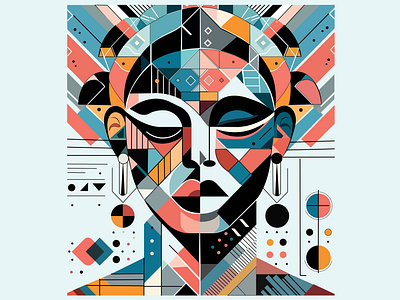
The Art of Design: Exploring Creativity and Innovation
Design is more than just creating something visually appealing; it is a form of art that involves creativity, problem-solving, and innovation. Whether it’s graphic design, fashion design, interior design, or product design, the art of design plays a crucial role in shaping our world and enhancing our everyday experiences.
At its core, design is about finding elegant solutions to complex problems. Designers use their creativity and technical skills to communicate ideas, evoke emotions, and improve functionality. They consider aesthetics, usability, and user experience to create designs that are not only visually pleasing but also practical and effective.
One of the key aspects of the art of design is its ability to inspire and evoke emotions. A well-designed piece can evoke a sense of joy, curiosity, or even nostalgia in viewers. Designers often draw inspiration from various sources such as nature, culture, history, and technology to create designs that resonate with people on an emotional level.
Design is also closely linked to innovation. By pushing boundaries and thinking outside the box, designers can come up with groundbreaking ideas that challenge conventions and drive progress. Whether it’s designing sustainable products, creating immersive digital experiences, or reimagining traditional crafts, designers have the power to shape the future through their innovative approaches.
In today’s fast-paced world where visual communication plays a significant role in capturing people’s attention, the art of design has never been more important. From branding and marketing materials to user interfaces and architectural spaces, design influences how we perceive the world around us and shapes our interactions with it.
Ultimately, the art of design is a blend of creativity, craftsmanship, and problem-solving that has the potential to transform ordinary objects into extraordinary works of art. By embracing diversity, pushing boundaries, and staying true to their vision, designers can continue to push the boundaries of creativity and innovation in the dynamic world of design.
Mastering the Art of Design: 7 Essential Tips for Creating Impactful and User-Friendly Designs
- Understand the principles of design, such as balance, contrast, and emphasis.
- Use white space effectively to create a clean and organized layout.
- Choose a color scheme that complements your design and conveys the right mood or message.
- Experiment with different fonts to find one that enhances readability and matches the overall aesthetic.
- Consider the user experience when designing websites or apps for optimal usability.
- Seek inspiration from various sources like nature, architecture, or other artists to keep your creativity flowing.
- Don’t be afraid to iterate and refine your designs based on feedback for continuous improvement.
Understand the principles of design, such as balance, contrast, and emphasis.
To excel in the art of design, it is essential to grasp the fundamental principles that underpin all successful creations. Understanding concepts like balance, contrast, and emphasis allows designers to create visually engaging and harmonious compositions. Balance ensures that elements are distributed evenly within a design, creating a sense of stability and order. Contrast adds interest and impact by highlighting differences between elements, while emphasis directs the viewer’s attention to key focal points. By mastering these principles, designers can craft compelling and effective designs that resonate with their audience.
Use white space effectively to create a clean and organized layout.
Effective use of white space is a fundamental principle in the art of design, allowing designers to create a clean and organized layout that enhances visual appeal and readability. By strategically incorporating white space around elements such as text, images, and graphics, designers can provide breathing room for the content to stand out and guide the viewer’s focus. White space not only adds balance and harmony to a design but also improves overall user experience by reducing clutter and increasing comprehension. Embracing white space as a design element can elevate the aesthetic quality of a layout while conveying a sense of sophistication and professionalism.
Choose a color scheme that complements your design and conveys the right mood or message.
When it comes to the art of design, selecting a color scheme that complements your design is crucial in conveying the right mood or message. Colors have the power to evoke emotions, set the tone, and communicate subtle nuances within a design. By carefully choosing colors that harmonize with each other and align with the intended message or atmosphere, designers can enhance the visual impact of their work and create a cohesive and engaging experience for viewers. Whether aiming for a vibrant and energetic feel or a calm and sophisticated ambiance, the thoughtful selection of colors can greatly influence how a design is perceived and appreciated.
Experiment with different fonts to find one that enhances readability and matches the overall aesthetic.
When delving into the art of design, it is essential to experiment with various fonts to discover one that not only improves readability but also aligns with the overall aesthetic of the project. Fonts play a crucial role in conveying the tone and personality of a design piece, whether it be a website, poster, or logo. By exploring different font options, designers can create a harmonious visual language that enhances the message they aim to communicate while ensuring a seamless and engaging reading experience for the audience.
Consider the user experience when designing websites or apps for optimal usability.
When delving into the art of design, it is crucial to consider the user experience as a top priority, especially when designing websites or apps. By placing emphasis on optimizing usability, designers can create intuitive and engaging digital experiences that cater to the needs and preferences of users. Paying attention to factors such as navigation, accessibility, responsiveness, and visual appeal can significantly enhance the overall user experience, leading to increased satisfaction, retention, and success in achieving design objectives.
Seek inspiration from various sources like nature, architecture, or other artists to keep your creativity flowing.
To enhance your creative process in the art of design, it is beneficial to seek inspiration from a diverse range of sources such as nature, architecture, and other artists. Drawing inspiration from the beauty of nature, the structural marvels of architecture, or the innovative works of fellow artists can help keep your creativity flowing and spark new ideas. By exploring different perspectives and incorporating elements from various sources into your designs, you can infuse freshness and originality into your work while staying inspired and motivated in your artistic endeavors.
Don’t be afraid to iterate and refine your designs based on feedback for continuous improvement.
In the art of design, it is crucial not to be afraid to iterate and refine your designs based on feedback for continuous improvement. Embracing feedback allows designers to gain valuable insights, identify areas for enhancement, and ultimately evolve their creations to better meet the needs and expectations of their audience. By remaining open to constructive criticism and actively seeking ways to refine their work, designers can achieve greater innovation, creativity, and impact in their design process.