
The Fascinating World of Surrealism Art
Surrealism is a captivating art movement that emerged in the early 20th century, characterized by its dream-like imagery, unexpected juxtapositions, and exploration of the subconscious mind. Founded by the poet André Breton in Paris in the 1920s, surrealism sought to unlock the creative potential of the unconscious mind and challenge conventional artistic techniques.
One of the key principles of surrealism is the belief in the power of imagination to transcend reality and reveal deeper truths about the human experience. Surrealist artists often depicted fantastical scenes that defied logic and reason, inviting viewers to question their perceptions and delve into the mysteries of the subconscious.
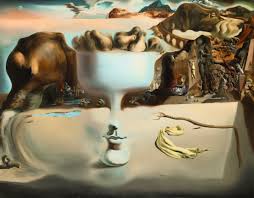
Some of the most renowned surrealists include Salvador Dalí, René Magritte, Max Ernst, and Joan Miró, each known for their unique style and innovative approach to art. Dalí, for example, created melting clocks and bizarre landscapes that captured the essence of dreams and fantasies. Magritte’s paintings often featured ordinary objects in extraordinary contexts, challenging viewers to rethink their assumptions about reality.
Through their bold experimentation with form, color, and symbolism, surrealists have pushed the boundaries of traditional art and inspired generations of artists to explore new realms of creativity. The legacy of surrealism continues to influence contemporary art practices, from painting and sculpture to film and literature.
Whether you are drawn to its enigmatic allure or intrigued by its philosophical underpinnings, surrealism offers a rich tapestry of images and ideas that invite us to question our perceptions of reality and embrace the boundless possibilities of imagination.
Exploring Surrealism: Key Questions and Insights into the Revolutionary Art Movement
- What is surrealism art?
- Who were the key figures of the surrealism movement?
- What are the main characteristics of surrealism art?
- How did surrealism influence other art forms?
- What are some famous surrealist artworks?
- How does surrealism explore the subconscious mind?
- Why is surrealism considered a revolutionary art movement?
What is surrealism art?
Surrealism art is a captivating and enigmatic artistic movement that emerged in the early 20th century, characterized by its dream-like imagery, unexpected juxtapositions, and exploration of the subconscious mind. Rooted in the belief that the creative power of imagination can transcend reality and reveal deeper truths about human existence, surrealism challenges conventional artistic techniques by depicting fantastical scenes that defy logic and reason. Led by influential figures such as Salvador Dalí, René Magritte, and Max Ernst, surrealism invites viewers to question their perceptions and delve into the mysteries of the unconscious, offering a rich tapestry of images and ideas that continue to inspire and intrigue audiences worldwide.
Who were the key figures of the surrealism movement?
The surrealism movement was shaped by a diverse group of key figures who played pivotal roles in its development and popularization. Some of the most prominent figures of the surrealism movement include Salvador Dalí, known for his iconic melting clocks and eccentric personality; René Magritte, celebrated for his thought-provoking paintings that challenge reality; Max Ernst, a master of surrealist collage and innovative techniques; and Joan Miró, renowned for his whimsical and abstract works that capture the essence of dreams. These artists, along with others, contributed to the rich tapestry of surrealism art and continue to inspire generations with their imaginative creations.
What are the main characteristics of surrealism art?
Surrealism art is characterized by its dream-like imagery, unexpected juxtapositions, and exploration of the subconscious mind. One of the main characteristics of surrealism is its ability to transcend reality and challenge conventional artistic techniques by tapping into the creative potential of the unconscious. Surrealist artists often depict fantastical scenes that defy logic and reason, inviting viewers to question their perceptions and delve into the mysteries of the subconscious. Through bold experimentation with form, color, and symbolism, surrealists aim to evoke a sense of wonder and provoke thought about the complexities of human experience and perception.
How did surrealism influence other art forms?
Surrealism has had a profound impact on various art forms, inspiring artists across disciplines to explore new realms of creativity and expression. In painting, surrealism’s emphasis on dream-like imagery and subconscious exploration influenced not only visual artists like Salvador Dalí and René Magritte but also photographers, sculptors, and graphic designers who embraced surrealistic elements in their work. In literature, writers such as André Breton and Franz Kafka drew upon surrealism’s themes of absurdity and the unconscious mind to create innovative narratives that challenged traditional storytelling conventions. Additionally, surrealism’s influence can be seen in film, theater, music, and even fashion, where artists and designers continue to draw inspiration from its whimsical and thought-provoking aesthetic. Overall, surrealism’s legacy transcends boundaries and continues to shape artistic expression in diverse and exciting ways.
What are some famous surrealist artworks?
Some of the most famous surrealist artworks include Salvador Dalí’s “The Persistence of Memory,” which features melting clocks in a dream-like landscape, René Magritte’s “The Son of Man,” depicting a man with an apple obscuring his face, and Max Ernst’s “The Elephant Celebes,” a surreal composition of abstract forms and mysterious symbols. These iconic pieces exemplify the imaginative and thought-provoking nature of surrealism art, captivating viewers with their dream-like imagery and symbolic meanings that transcend conventional reality.
How does surrealism explore the subconscious mind?
Surrealism delves into the subconscious mind by tapping into the realm of dreams, desires, and hidden thoughts that lie beneath our conscious awareness. Through techniques such as automatic writing, free association, and dream analysis, surrealists aim to bypass rational thought and access the raw, unfiltered contents of the unconscious. By embracing spontaneity and embracing chaos, surrealism seeks to reveal the inner workings of the mind and unlock its creative potential. Surrealist artists often depict fantastical imagery, symbolic motifs, and bizarre juxtapositions that reflect the mysterious depths of the subconscious and challenge viewers to interpret their own psychological landscapes.
Why is surrealism considered a revolutionary art movement?
Surrealism is considered a revolutionary art movement due to its groundbreaking approach to creativity and expression. By challenging traditional artistic conventions and embracing the power of the subconscious mind, surrealists sought to disrupt established norms and provoke thought-provoking interpretations of reality. Through their use of dream-like imagery, unexpected juxtapositions, and symbolic motifs, surrealists pushed the boundaries of artistic representation and opened up new possibilities for exploring the complexities of human experience. This innovative spirit of experimentation and defiance against conventional norms has cemented surrealism’s place as a transformative force in the history of art, inspiring generations of artists to break free from traditional constraints and explore the limitless potential of imagination.