
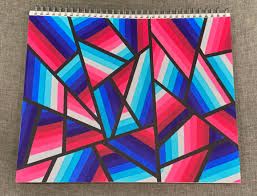
The Beauty of Abstract Art
Abstract art is a form of artistic expression that breaks away from traditional representation of physical objects. Instead, abstract artists use colors, shapes, and forms to achieve their desired effect. This form of art allows for a wide range of interpretations and emotional responses from viewers.
One of the key characteristics of abstract art is its ability to evoke emotions and stimulate the imagination. By using non-representational forms, abstract artists challenge viewers to explore their own thoughts and feelings when interpreting the artwork. This open-endedness is what makes abstract art so intriguing and captivating.
Abstract art also provides artists with a unique platform for experimentation and innovation. Without the constraints of realistic representation, artists are free to explore different techniques, styles, and concepts in their work. This freedom allows for endless possibilities and fosters creativity in both the artist and the viewer.
Throughout history, abstract art has played a significant role in pushing boundaries and redefining artistic norms. Artists such as Wassily Kandinsky, Piet Mondrian, and Jackson Pollock are known for their groundbreaking contributions to the world of abstract art. Their works continue to inspire and influence artists around the world today.
Whether you are a seasoned art enthusiast or new to the world of abstract art, exploring this unique form of expression can be a truly enriching experience. Take some time to immerse yourself in the colors, shapes, and textures of abstract artworks – you may just discover a new perspective on art and creativity.
Exploring Abstract Art: Definitions, Styles, and Key Concepts
- What defines art as abstract?
- Who is the most famous abstract artist?
- What are the three types of abstract art?
- What are the 6 elements of abstract art?
- What are 3 characteristics of abstract art?
- What is the hardest art style?
- What is the main purpose of abstract art?
- What is the main idea of abstract art?
What defines art as abstract?
Art is defined as abstract when it deviates from representing recognizable objects or scenes in a realistic manner. Instead of focusing on depicting specific subjects, abstract art emphasizes the use of colors, shapes, lines, and forms to convey emotions, ideas, or concepts. By stripping away the constraints of literal representation, abstract artists are able to create works that invite interpretation and evoke a range of responses from viewers. The essence of abstract art lies in its ability to communicate through non-representational elements, allowing for a deeper exploration of form, color, and composition.
Who is the most famous abstract artist?
When it comes to the question of who is the most famous abstract artist, there are several iconic figures who have made significant contributions to the world of abstract art. One of the most renowned abstract artists is Wassily Kandinsky, often credited as the pioneer of abstract art. His innovative use of color and form revolutionized the art world and laid the foundation for future abstract artists to explore new possibilities in artistic expression. Other notable figures in abstract art include Piet Mondrian, known for his geometric compositions, and Jackson Pollock, famous for his unique drip painting technique. While it is difficult to pinpoint a single most famous abstract artist, these visionaries have left a lasting impact on the art world and continue to inspire artists and art enthusiasts worldwide.
What are the three types of abstract art?
In the realm of abstract art, there are three main types that artists often explore: geometric abstraction, lyrical abstraction, and emotional or intuitive abstraction. Geometric abstraction focuses on precise shapes, lines, and patterns to create structured compositions that emphasize form and structure. Lyrical abstraction, on the other hand, emphasizes spontaneity and fluidity through expressive brushstrokes and colors that evoke emotions and sensations. Emotional or intuitive abstraction delves into the artist’s inner world, conveying raw emotions and personal experiences through abstract forms and symbols. Each type offers a unique approach to abstract art, showcasing the diversity and creativity within this dynamic artistic genre.
What are the 6 elements of abstract art?
Abstract art is characterized by its emphasis on form, color, line, texture, pattern, and composition. These six elements play a crucial role in creating visually engaging and thought-provoking abstract artworks. Form refers to the overall shape and structure of the artwork, while color is used to evoke emotions and set the mood. Line can be used to create movement and direction within the piece, while texture adds depth and tactile quality. Pattern introduces repetition and rhythm, enhancing the visual interest of the artwork. Lastly, composition involves the arrangement of elements within the artwork to create a harmonious balance that captures the viewer’s attention. By understanding and utilizing these elements effectively, abstract artists can create dynamic and expressive works that invite interpretation and contemplation.
What are 3 characteristics of abstract art?
Abstract art is characterized by three key features that set it apart from traditional representational art. Firstly, abstract art often focuses on non-representational forms, where artists use colors, shapes, and lines to create compositions that do not directly mimic real-world objects or scenes. Secondly, abstract art emphasizes the use of imagination and interpretation, inviting viewers to engage with the artwork on a more personal and subjective level. Lastly, abstract art encourages experimentation and innovation, allowing artists to explore new techniques, styles, and concepts in their pursuit of creative expression. These three characteristics combine to make abstract art a dynamic and thought-provoking form of artistic representation.
What is the hardest art style?
The question of what is the hardest art style is subjective and can vary depending on individual preferences and skills. Some may argue that abstract art is one of the most challenging styles due to its emphasis on creativity, interpretation, and unconventional techniques. Abstract artists often push boundaries, experiment with different forms, and challenge traditional artistic norms, requiring a deep understanding of composition, color theory, and emotional expression. Mastering abstract art involves a high level of skill, intuition, and willingness to explore new possibilities, making it a demanding yet rewarding artistic endeavor for those who are drawn to its unique complexities.
What is the main purpose of abstract art?
The main purpose of abstract art is to evoke emotions, stimulate the imagination, and challenge traditional artistic norms. By moving away from realistic representation of physical objects, abstract art allows artists to explore concepts, shapes, colors, and forms in a non-representational manner. This form of art encourages viewers to interpret and engage with the artwork on a personal level, sparking creativity and opening up new perspectives. Abstract art serves as a platform for artists to experiment, innovate, and express their inner thoughts and feelings in a way that transcends conventional artistic boundaries.
What is the main idea of abstract art?
The main idea of abstract art is to move away from representing the physical world in a literal sense and instead focus on conveying emotions, concepts, and ideas through non-representational forms. Abstract artists use colors, shapes, lines, and textures to create compositions that are open to interpretation by the viewer. By breaking free from realistic depictions, abstract art encourages viewers to engage with the artwork on a more personal and subjective level, inviting them to explore their own thoughts and feelings in response to the artist’s creative expression.