
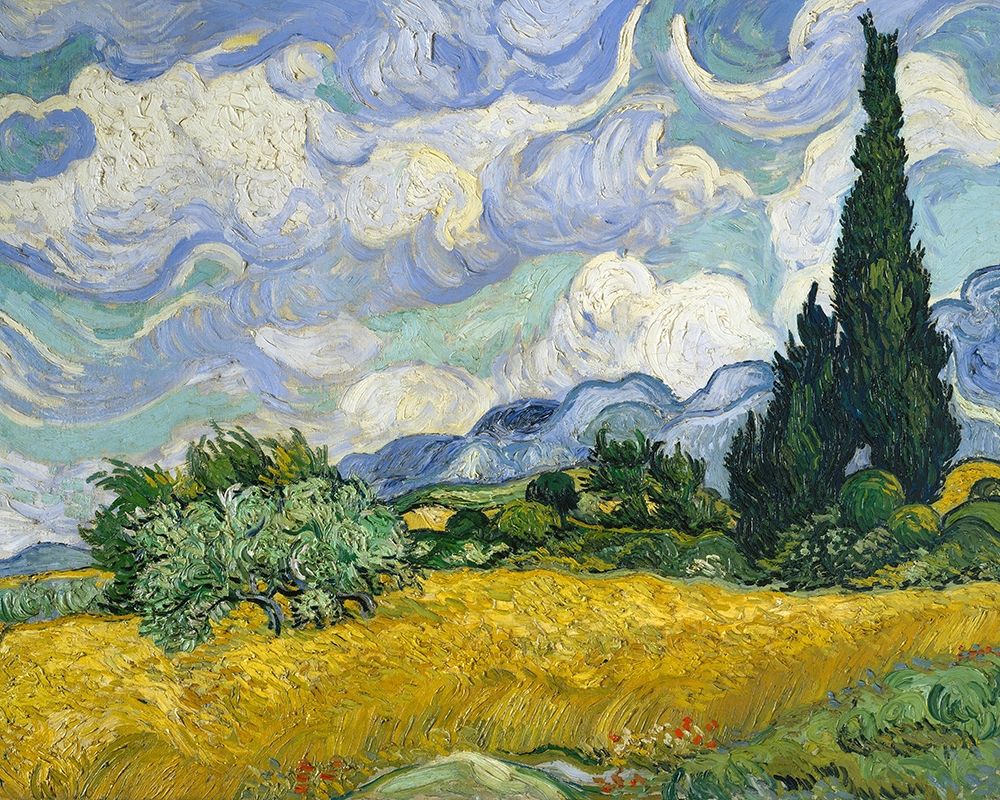
Exploring the Beauty of Art Pieces
Art pieces have the remarkable ability to captivate our minds, stir our emotions, and inspire our souls. Each piece tells a unique story, reflecting the creativity, imagination, and passion of its creator. From paintings and sculptures to installations and digital art, the world of art is a diverse and vibrant tapestry waiting to be explored.
One of the most fascinating aspects of art pieces is their ability to evoke different emotions and interpretations from viewers. A single painting can elicit feelings of joy, sadness, nostalgia, or wonder, depending on the individual’s perspective and experiences. This subjective nature of art allows each person to form a personal connection with a piece, making it a truly immersive and transformative experience.
Art pieces also serve as a window into different cultures, histories, and ideologies. Through studying various artworks from different time periods and regions, we can gain insights into the values, beliefs, and struggles of humanity throughout the ages. Art has the power to bridge gaps between people from diverse backgrounds by fostering understanding and empathy through visual expression.
Moreover, art pieces often challenge conventional norms and push boundaries in terms of creativity and innovation. Artists use their work to provoke thought, spark dialogue, and incite change in society. By addressing pressing issues such as social justice, environmental sustainability, or technological advancement through their art pieces, creators can inspire others to reflect on important topics and take action for positive change.
In conclusion, art pieces are not merely objects for aesthetic appreciation; they are profound expressions of human creativity that have the potential to ignite imagination, provoke emotion, stimulate intellect, and foster connection among individuals across the globe. So next time you encounter an art piece—whether in a museum, gallery, or public space—take a moment to pause, observe closely, and allow yourself to be transported into the captivating world of artistic wonder.
Exploring the Depths: Frequently Asked Questions About Art Pieces
- What is the meaning behind this art piece?
- Who is the artist of this art piece?
- What inspired the creation of this art piece?
- What techniques were used to create this art piece?
- Is this art piece part of a series or collection?
- How can I interpret the symbolism in this art piece?
- Where can I learn more about the historical context of this art piece?
What is the meaning behind this art piece?
When viewers ask, “What is the meaning behind this art piece?” they are delving into the depths of interpretation and symbolism that artists embed within their creations. The question invites a journey of exploration and contemplation, as the significance of an art piece can vary widely depending on individual perspectives, cultural contexts, and artistic intentions. Artists often infuse their work with layers of symbolism, emotion, and narrative that invite viewers to decipher and interpret the piece’s message or themes. The quest to uncover the meaning behind an art piece can lead to profound insights, sparking conversations, reflections, and connections that enrich our understanding of art and its impact on our lives.
Who is the artist of this art piece?
The question “Who is the artist of this art piece?” is a common inquiry that reflects the curiosity and appreciation people have for the creators behind the artworks they encounter. By seeking to identify the artist, viewers aim to connect more deeply with the piece, understanding its context, inspiration, and significance. Knowing the artist allows us to delve into their background, style, and body of work, shedding light on their artistic journey and contributing to a richer understanding and interpretation of the art piece in question. This question underscores the importance of acknowledging and honoring the talented individuals whose creativity and vision bring art pieces to life, shaping our cultural landscape and inspiring generations to come.
What inspired the creation of this art piece?
The question “What inspired the creation of this art piece?” is a common inquiry that delves into the motivations and influences behind an artwork. Artists draw inspiration from a myriad of sources, including personal experiences, emotions, nature, societal issues, historical events, and cultural traditions. By asking about the inspiration behind an art piece, viewers seek to gain deeper insight into the artist’s creative process and intentions, as well as to connect with the underlying stories and meanings embedded within the work. Understanding the inspiration behind an art piece can enrich one’s appreciation of the artwork and provide a glimpse into the artist’s unique perspective and vision.
What techniques were used to create this art piece?
Art enthusiasts often inquire about the techniques employed in creating a particular art piece as a means of gaining insight into the artist’s process and skill. Understanding the techniques utilized can provide valuable context for appreciating the artwork’s intricacies, such as brushwork, composition, color choices, or mediums used. By delving into the technical aspects of an art piece, viewers can develop a deeper appreciation for the craftsmanship and creativity involved in its creation, enhancing their overall understanding and enjoyment of the work.
Is this art piece part of a series or collection?
When inquiring about an art piece, a common question that arises is whether the piece is part of a series or collection. Understanding the context of an artwork within a series or collection can provide valuable insights into the artist’s creative process, thematic interests, and evolving style. By knowing if an art piece is part of a larger body of work, viewers can delve deeper into its narrative significance, aesthetic connections, and broader artistic intentions. Exploring how individual pieces relate to each other within a series or collection can enrich one’s appreciation and comprehension of the artist’s overarching vision and storytelling.
How can I interpret the symbolism in this art piece?
Understanding the symbolism in an art piece requires a careful examination of its visual elements, context, and the artist’s intentions. Symbolism in art can take many forms, such as colors, objects, gestures, or composition choices, each carrying deeper meanings or representing abstract concepts. To interpret symbolism effectively, one must consider the historical and cultural context in which the artwork was created, as well as any personal experiences or beliefs that may have influenced the artist. Engaging with the art piece through observation, research, and reflection can lead to a richer understanding of its symbolic language and enhance one’s appreciation of its message and significance.
Where can I learn more about the historical context of this art piece?
For individuals seeking to delve deeper into the historical context of a specific art piece, various resources are available to enhance their understanding and appreciation. Museums, art galleries, and cultural institutions often provide detailed information about the background, significance, and cultural influences surrounding art pieces through exhibition labels, audio guides, and curated tours. Additionally, art history books, academic journals, online databases, and educational websites offer valuable insights into the historical context of artworks, providing context on the artist’s life, artistic movements, societal events, and cultural trends that shaped the creation of the piece in question. Engaging with these resources can enrich one’s knowledge and perspective on art pieces by placing them within a broader historical framework.