
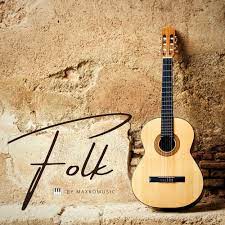
The Rich Heritage of Folk Music
Folk music is a genre that has deep roots in the cultural traditions of communities around the world. It is a form of music that is passed down from generation to generation, often through oral tradition, and reflects the history, values, and experiences of a particular group of people.
One of the defining characteristics of folk music is its authenticity and connection to everyday life. Many folk songs tell stories of love, loss, work, and celebration, offering insights into the lives of ordinary people throughout history. The melodies and lyrics are often simple yet powerful, resonating with listeners on a personal and emotional level.
Another key aspect of folk music is its diversity. Different regions and cultures have their own unique styles and instruments that contribute to the rich tapestry of folk music worldwide. From Appalachian ballads to Irish jigs, from African drumming to Indian ragas, folk music encompasses a wide range of sounds and traditions that continue to evolve and adapt over time.
Despite its traditional roots, folk music remains relevant in modern times. Many contemporary artists draw inspiration from folk traditions, blending old and new influences to create innovative sounds that appeal to audiences across generations. Folk festivals and concerts provide platforms for both established musicians and emerging talents to showcase their skills and connect with fans who appreciate the raw authenticity of folk music.
Whether you’re tapping your feet to a lively fiddle tune or shedding a tear over a poignant ballad, folk music has a way of touching our hearts and souls in ways that transcend language barriers and cultural divides. Its enduring appeal lies in its ability to capture the essence of human experience in all its joys and sorrows, making it a timeless art form that continues to thrive in our ever-changing world.
Exploring Folk Music: Origins, Characteristics, and Global Influence
- What is folk music?
- What are the origins of folk music?
- How is folk music different from other genres?
- What instruments are commonly used in folk music?
- Who are some famous folk musicians?
- Are there different types of folk music from around the world?
- How has folk music influenced other genres of music?
What is folk music?
Folk music is a genre deeply rooted in the cultural traditions of communities worldwide, passed down through generations via oral tradition. It encompasses a wide range of musical styles and instruments unique to different regions and cultures, reflecting the history, values, and experiences of ordinary people. Characterized by its authenticity and connection to everyday life, folk music often tells stories of love, loss, work, and celebration through simple yet powerful melodies and lyrics. Despite its traditional origins, folk music remains relevant in contemporary times as artists blend old and new influences to create innovative sounds that resonate with audiences across generations.
What are the origins of folk music?
The origins of folk music can be traced back to the cultural traditions and experiences of diverse communities throughout history. Folk music emerged organically within various societies, often originating from the everyday lives, struggles, celebrations, and rituals of ordinary people. This genre has roots in oral tradition, where songs were passed down through generations, evolving and adapting to reflect the values and experiences of different cultures. The rich tapestry of folk music encompasses a wide array of styles and influences, making it a dynamic and ever-evolving art form that continues to resonate with audiences worldwide.
How is folk music different from other genres?
Folk music stands out from other genres due to its deep connection to cultural traditions and everyday life. Unlike many mainstream music genres that are often produced for commercial purposes, folk music is rooted in the stories, values, and experiences of specific communities. It is passed down through generations, preserving historical narratives and reflecting the diverse identities of different regions and cultures. The simplicity and authenticity of folk music, both in terms of melodies and lyrics, set it apart from more complex and commercially-driven genres. Folk music celebrates the essence of human expression and emotion, making it a timeless art form that continues to resonate with audiences seeking genuine connections to their heritage and shared experiences.
What instruments are commonly used in folk music?
In folk music, a wide variety of instruments are commonly used to create the distinctive sounds and textures that define the genre. Some of the most popular instruments include the acoustic guitar, banjo, fiddle (violin), mandolin, accordion, harmonica, and various percussion instruments like tambourine and bodhran. Each instrument brings its own unique timbre and character to folk music, contributing to the rich tapestry of sounds that reflect the cultural traditions and heritage of different regions and communities. Whether it’s the twang of a banjo in bluegrass music or the soulful melodies of a fiddle in Celtic tunes, these instruments play a vital role in shaping the authentic and heartfelt expressions found in folk music across the globe.
Who are some famous folk musicians?
When exploring the realm of folk music, one may encounter a diverse array of renowned musicians who have left an indelible mark on the genre. Some of the most famous folk musicians include Bob Dylan, often hailed as a voice of a generation for his poetic lyrics and captivating melodies; Joan Baez, known for her powerful vocals and unwavering commitment to social justice causes; Woody Guthrie, whose songs chronicled the struggles of the working class during the Great Depression; Joni Mitchell, celebrated for her introspective songwriting and innovative guitar playing; and Pete Seeger, a champion of folk music activism and community engagement. These iconic figures have not only shaped the landscape of folk music but have also inspired generations of artists to embrace the timeless beauty and significance of this enduring musical tradition.
Are there different types of folk music from around the world?
Yes, there are indeed different types of folk music from around the world. Folk music is a diverse and rich genre that reflects the cultural traditions and heritage of various regions and communities. Each culture has its own unique styles, instruments, rhythms, and storytelling techniques that contribute to the colorful tapestry of folk music globally. From the haunting melodies of Celtic ballads in Ireland to the rhythmic beats of African drumming, from the soulful tunes of American blues to the intricate patterns of Indian ragas, folk music encompasses a wide range of sounds and expressions that showcase the beauty and diversity of human creativity across different parts of the world.
How has folk music influenced other genres of music?
Folk music has had a profound influence on a wide range of other genres, shaping the musical landscape in significant ways. Its raw authenticity, storytelling lyrics, and traditional melodies have inspired artists across different genres to incorporate elements of folk music into their own work. From the roots of rock and roll in the blues and folk fusion of artists like Bob Dylan, to the incorporation of folk instruments and themes in contemporary pop and indie music, the impact of folk music can be heard in diverse styles and sounds. Its emphasis on simplicity, emotional depth, and connection to cultural heritage continues to resonate with musicians seeking to infuse their music with a sense of history and tradition. Folk music’s influence can be seen not only in specific musical techniques but also in the broader ethos of artistic expression that values sincerity, community, and storytelling across genres.